Best One-Stop Silver Jewelry Suppliers for Wholesale Moissanite Ring Collections
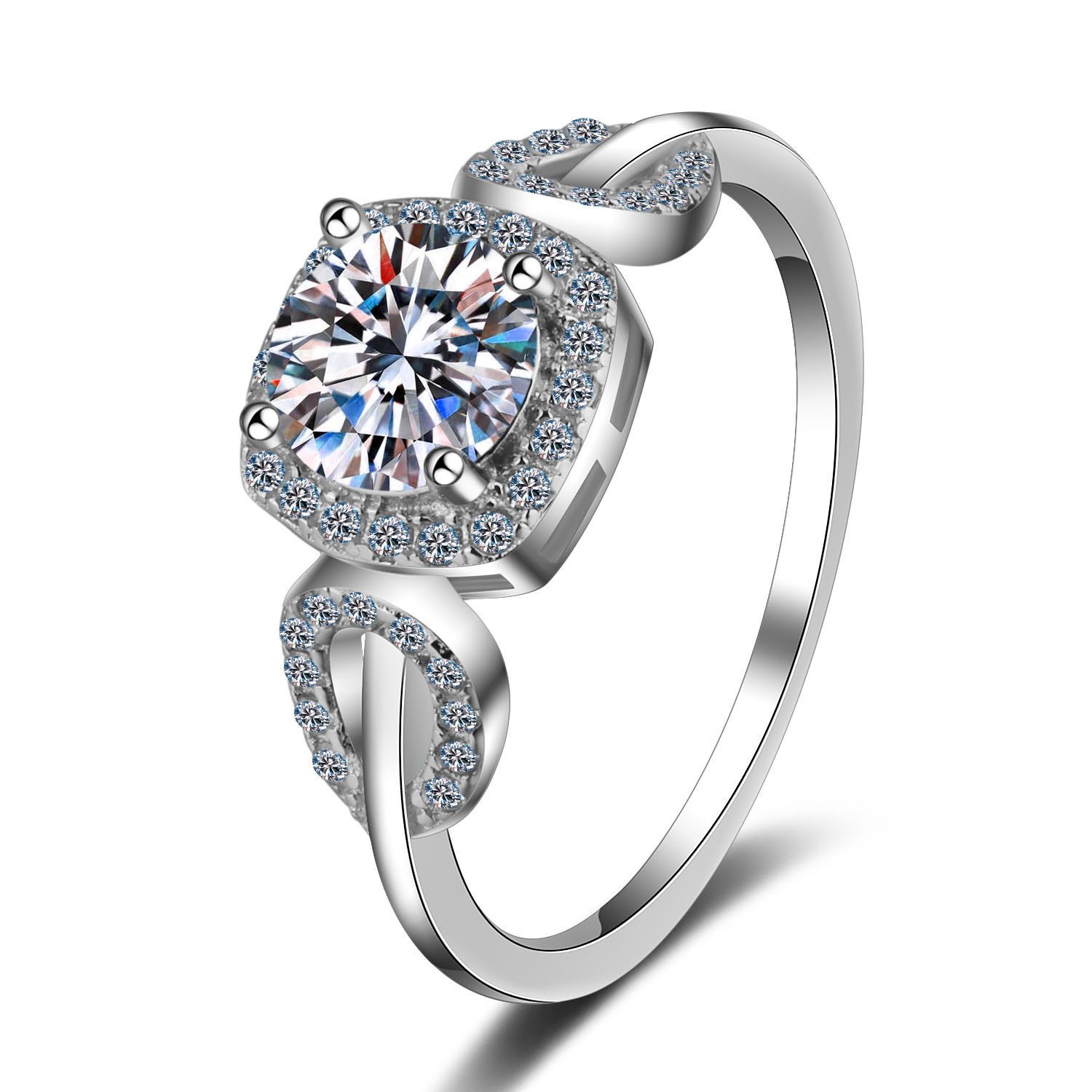
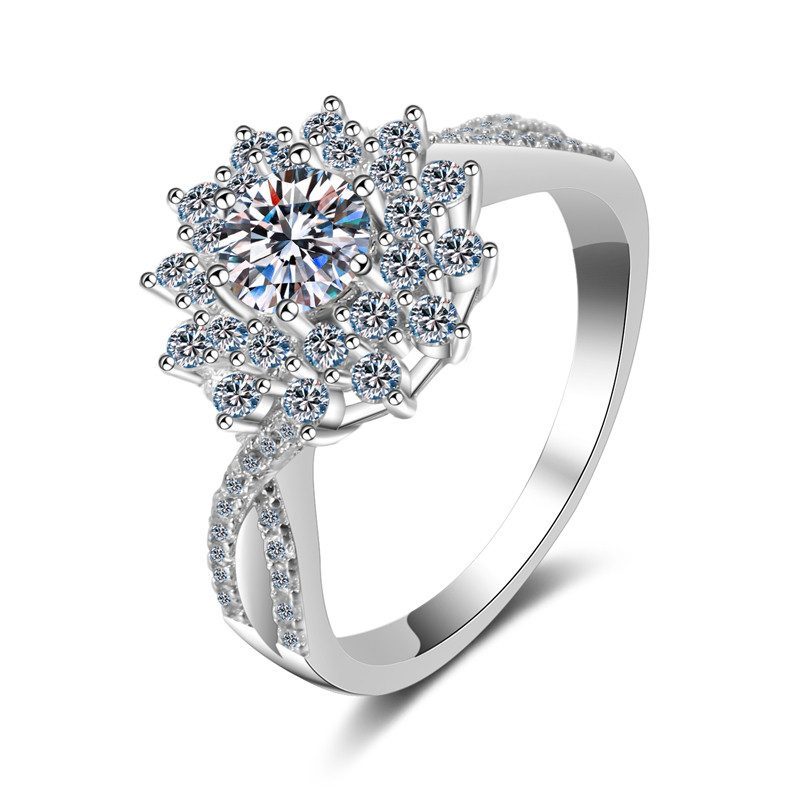
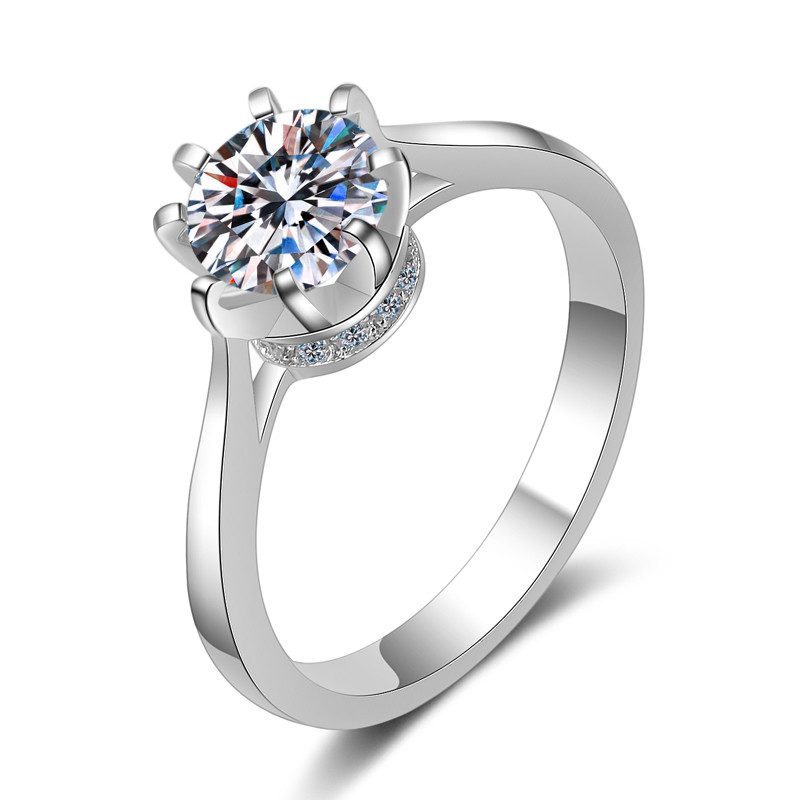
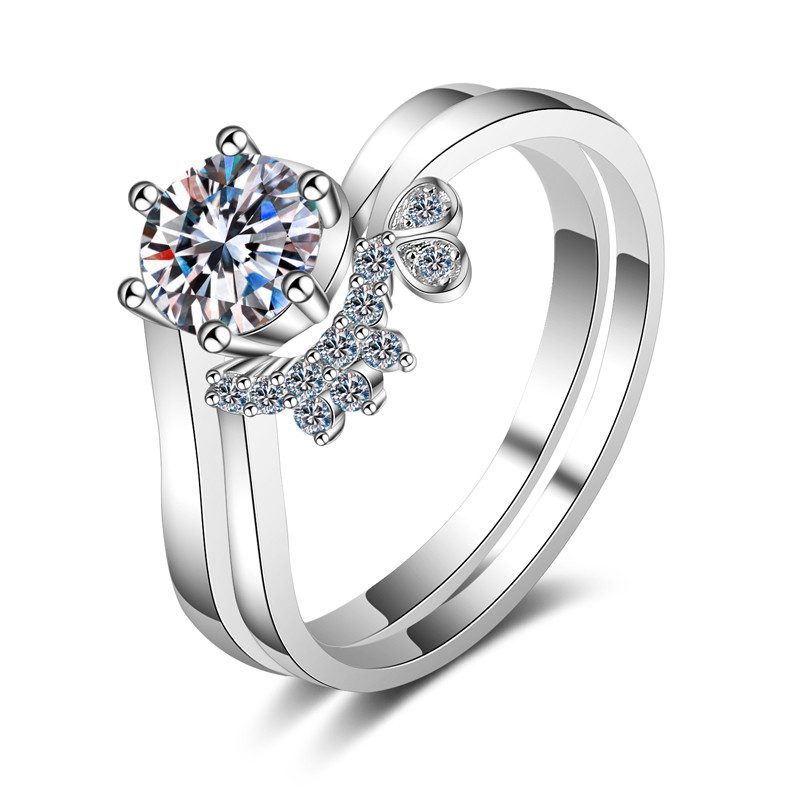
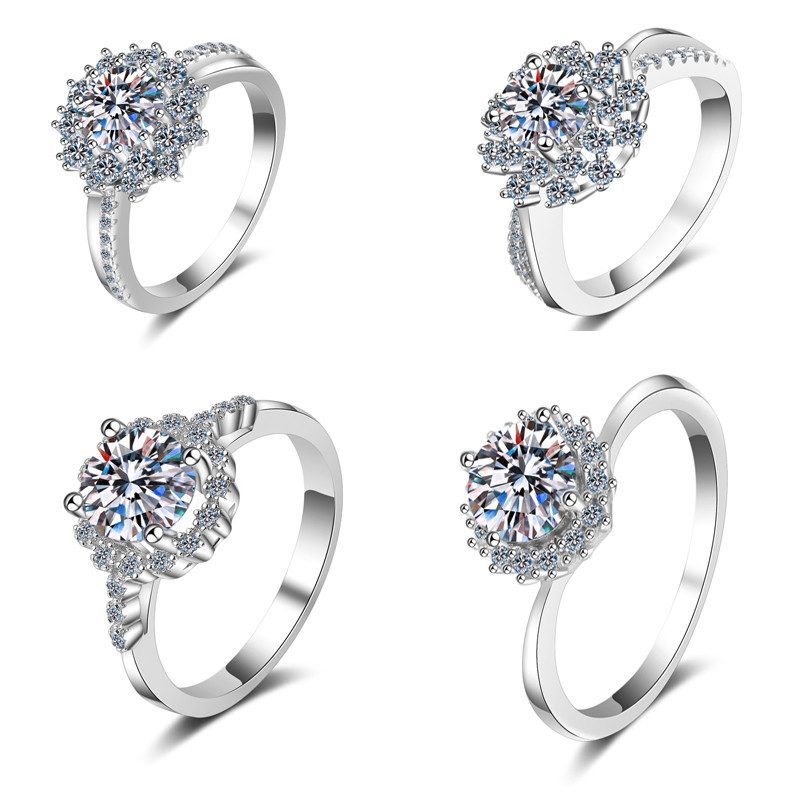
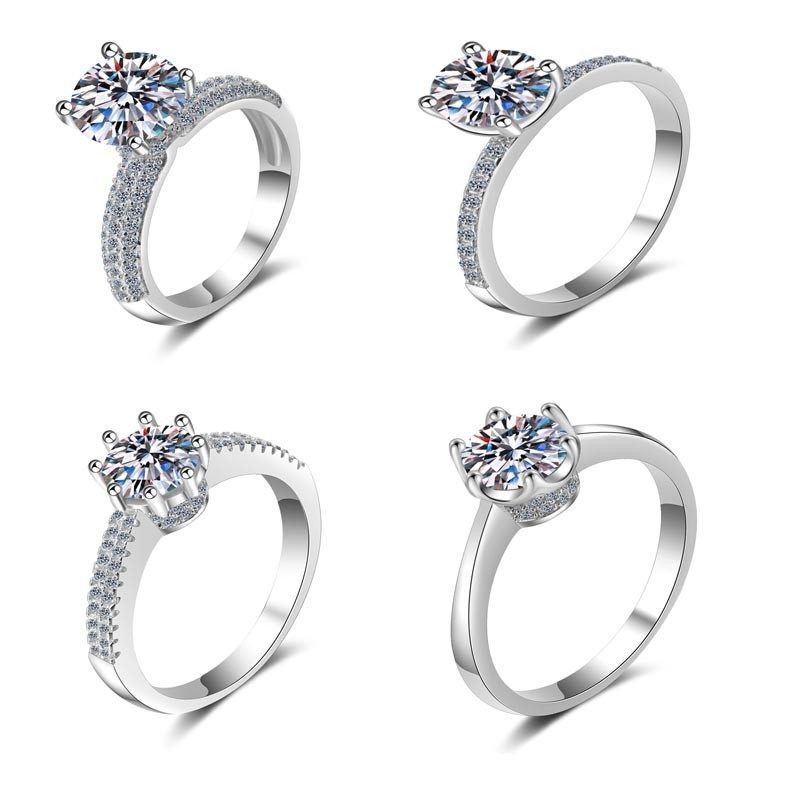
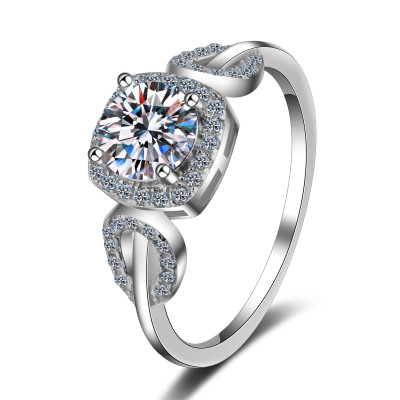
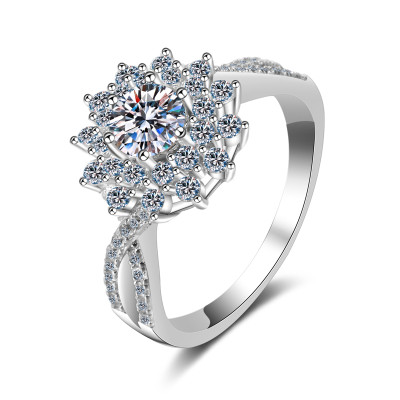
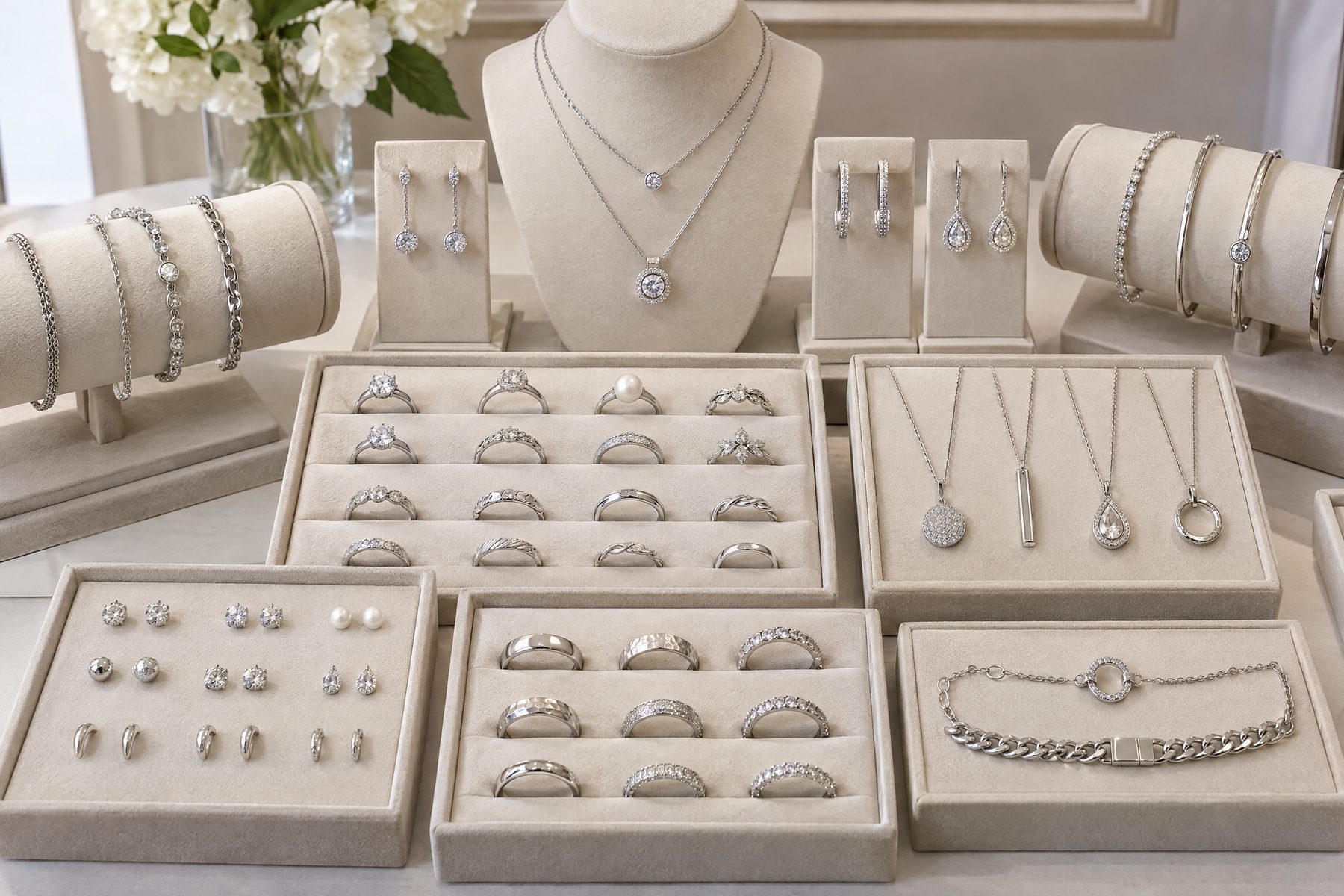
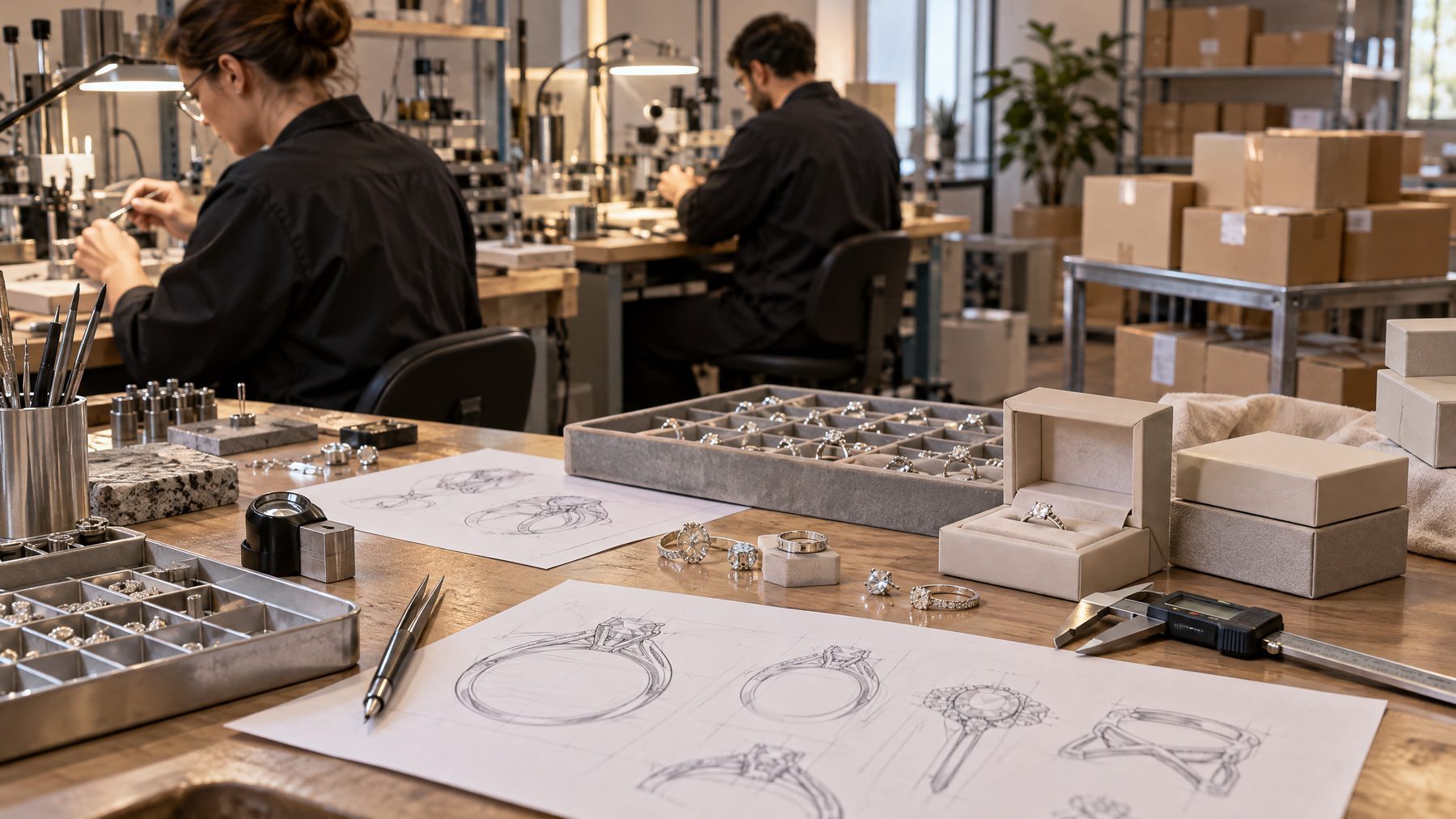
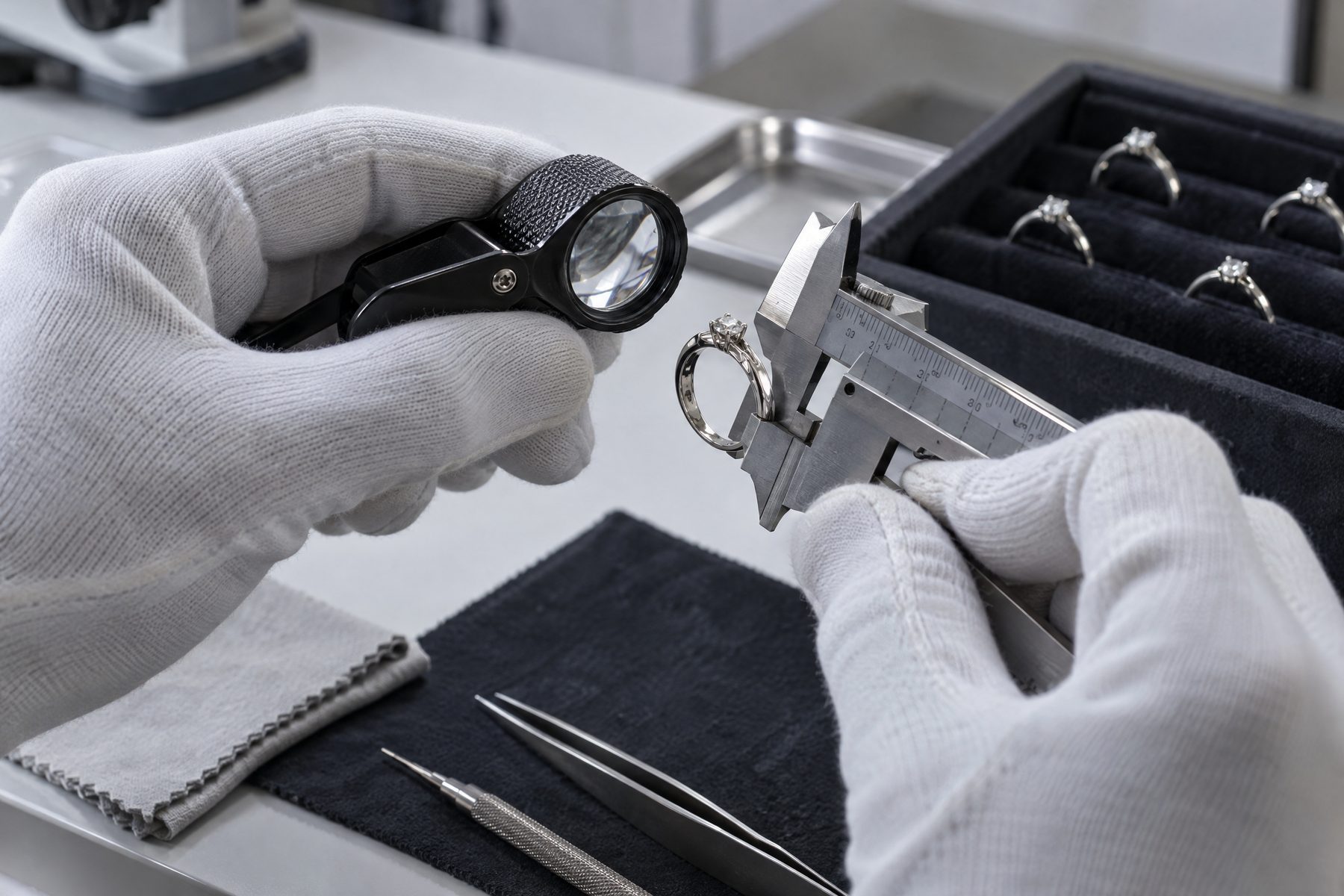
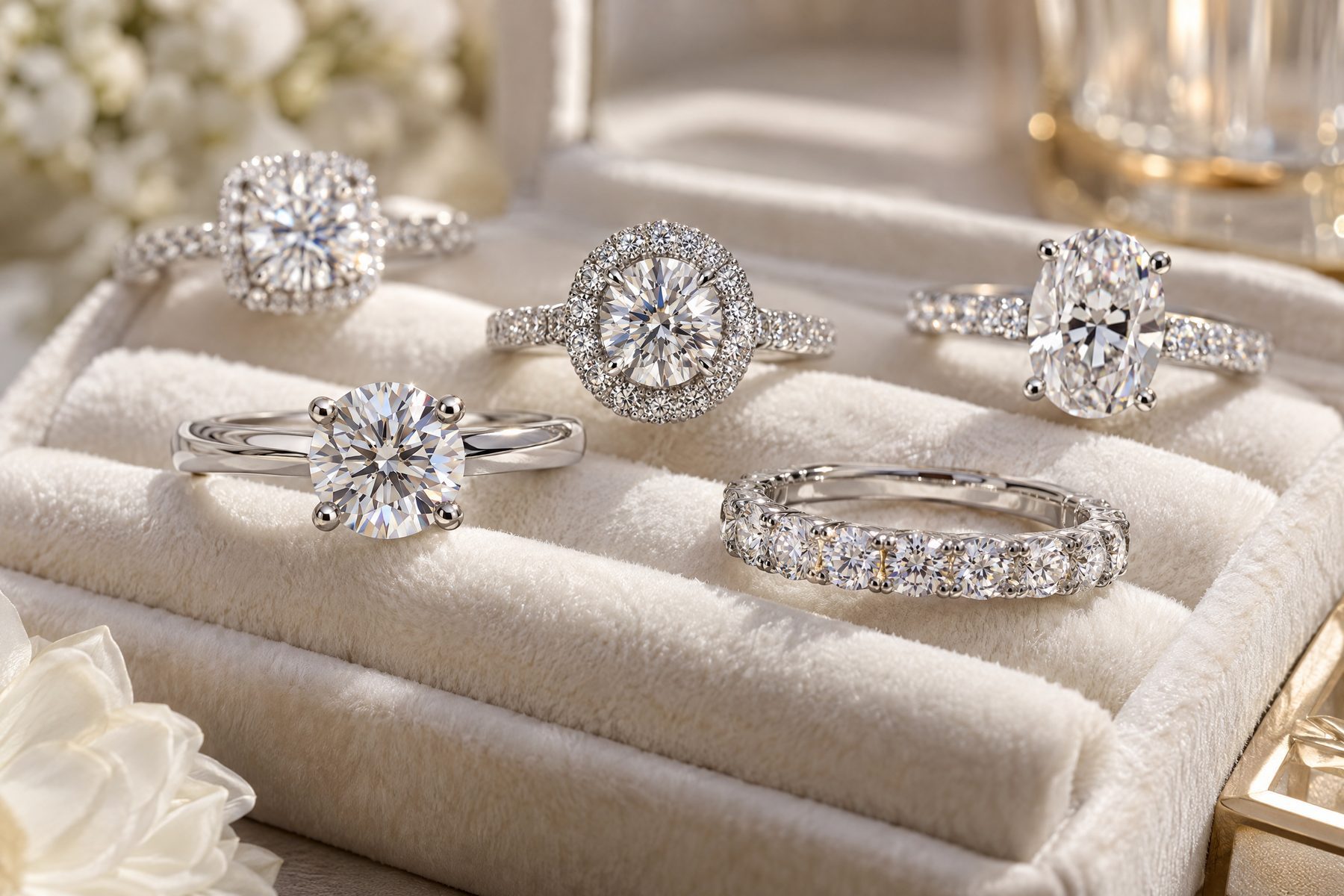
Sourcing jewelry from multiple vendors can seem flexible at first. One supplier may offer silver rings, another may specialize in moissanite, and a third may handle packaging or private-label production. However, every additional supplier creates another layer of communication, quality control, payment coordination, and shipping management. For wholesalers, retailers, and jewelry brand owners, a best one stop silver jewelry supplier can bring these moving parts together. Instead of coordinating separate partners for product development, manufacturing, inspection, packaging, and delivery, buyers can work through one organized supply chain. A reliable one-stop partner should do more than display a large catalog. It should help you move from an initial concept to a commercially ready collection with clear communication and consistent standards. That means having the capability to support: AphroSilver is built around this integrated approach, helping silver jewelry buyers reduce sourcing complexity while developing collections that fit their market, price point, and brand identity. The right one-stop supplier is not simply a vendor with many products. It is a coordinated manufacturing and sourcing partner that can support the full journey from idea to delivery. Not all suppliers that describe themselves as “one-stop” provide the same level of support. Before comparing vendors, evaluate the complete workflow behind the product catalog. A capable supplier should offer more than isolated bestsellers. Look for a collection structure that allows you to build a balanced assortment, including rings, earrings, necklaces, pendants, bracelets, and matching sets. A broad but organized product range makes it easier to test a market, refresh your assortment, and create coordinated product pages rather than buying disconnected items from multiple sources. Ready-made styles can help you launch quickly, but custom development is important when you want to differentiate your brand. Ask whether the supplier can support design revisions, stone changes, size adjustments, logo placement, plating options, and packaging requirements. For buyers developing custom sterling silver jewelry, the development process should be clear. A practical workflow may include: This structure helps reduce misunderstandings and gives buyers a clear record of what is being produced. When a project follows an OEM route, review the OEM silver jewelry manufacturing process; when you want to adapt an existing design direction, compare the ODM silver jewelry development pathway. Quality should be evaluated through a repeatable process rather than a supplier’s marketing claims. Ask what is checked before production, during manufacturing, and before shipment. Depending on the product and order, useful documentation may include material specifications, stone details, size information, plating requirements, inspection records, packaging specifications, and shipment documentation. Buyers should also clarify how the supplier handles production deviations, damaged goods, missing items, or rework requests. A professional supplier should be willing to explain its quality workflow and provide the documents relevant to the order. This gives retailers and brand owners better control over product consistency and customer expectations. Packaging is part of the customer experience, especially for jewelry brands selling online or through boutiques. A one-stop partner may be able to coordinate jewelry boxes, pouches, cards, labels, barcodes, inserts, and other branded materials along with the products. It is also important to discuss production shipping early. Confirm lead times, packaging completion, shipping options, carton information, and the documents needed for your destination market. When production and shipping are coordinated through one partner, there are fewer handoffs between manufacturing and fulfillment. When buyers search for the top one stop jewelry suppliers, they should compare operational capability rather than relying only on product photos or the lowest quoted price. Review whether the supplier’s catalog matches your business model. A fashion retailer may need frequent, small-batch style updates, while a jewelry brand may need a stable core collection with repeatable specifications. A bridal seller may require moissanite rings, matching bands, and customized sizes. Ask for examples that are relevant to your category, not only general catalog images. The more closely a supplier’s existing capabilities match your products, the less time may be required for development and troubleshooting. Clarify the difference between simple catalog modifications and genuine custom development. Can the supplier work from your drawings? Can it create a new mold? Can it support logo engraving, custom stone layouts, special finishes, or private-label packaging? Also ask about minimum order quantities, sampling fees, sample lead times, revision policies, and the information required before a quote can be prepared. A credible comparison should include how quality is managed, not just whether a supplier says it offers “high quality.” Ask about inspection checkpoints, material verification, size tolerances, stone setting checks, plating consistency, and final packing checks. If your brand has specific quality requirements, provide them in writing before production begins. This allows the supplier to quote and manufacture against a defined standard. International sourcing involves more than product knowledge. You need a partner that can respond clearly, maintain version control, confirm changes, and flag potential issues before they affect the delivery date. A useful supplier should be able to provide a practical project timeline covering quotation, sampling, approval, production, inspection, packaging, and shipment. This is especially important when launching seasonal collections or coordinating multiple SKUs. The lowest unit price is not always the lowest total cost. Consider sampling, mold development, revisions, packaging, inspection, rework, freight, delays, and the internal time your team spends coordinating different vendors. A one-stop model may offer better overall efficiency when it reduces the number of suppliers, purchase orders, inspection arrangements, and shipping handoffs required for one collection. The main advantage of a one-stop supplier is the connection between each stage of the order. Product decisions affect manufacturing. Manufacturing affects inspection. Inspection affects packing and delivery. When these stages are managed separately, small communication gaps can become expensive problems. For silver jewelry buyers, this is the value of evaluating a complete silver jewelry design production shipping workflow rather than comparing a product catalog alone. A coordinated workflow can be organized as follows: Start with either ready-made products or a clear concept brief. Include your target customer, selling channel, preferred materials, price range, sizes, estimated quantities, and required delivery window. For custom projects, confirm dimensions, stone specifications, metal composition, finish, branding, and packaging. Keep the approved information in one product specification to reduce changes later. Review the sample against the agreed requirements. Check dimensions, comfort, appearance, stone setting, branding, and packaging compatibility before authorizing bulk production. During production, keep communication focused on the approved specification. Before shipment, confirm the inspection result, quantities, packing list, carton details, and any agreed corrective actions. The final stage should protect the product and represent the brand. Coordinated packaging and production shipping can help create a more predictable handoff from factory to warehouse, fulfillment center, showroom, or retail store. AphroSilver is designed to support buyers who need more than individual jewelry items. For wholesalers, retailers, and jewelry brand owners, the goal is to build a commercially useful collection with a reliable process behind it. Wholesalers can review the one-stop jewelry wholesaler solution, while retailers can explore the jewelry retailer one-stop solution. Brand owners planning a differentiated collection may find the jewelry brand owner one-stop solution more relevant to their sourcing brief. Ready-made products can help buyers select styles efficiently and respond to market demand. Custom options provide more room for differentiation through design changes, materials, stones, finishes, sizing, and branding requirements. This combination allows businesses to start with proven product directions while developing exclusive or private-label pieces over time. Different businesses need different levels of product ownership and development support: Before starting, clarify which elements belong to your brand, which designs are standard, and which details must remain exclusive to your project. A written product brief can help align expectations. Silver jewelry buyers need information they can use internally and, where appropriate, share with their sales or compliance teams. AphroSilver can coordinate the relevant product specifications, inspection details, packaging information, and shipment documents for the order. The exact documents depend on the product, market, and buyer requirements. Discuss them at the quotation or sampling stage so that documentation is treated as part of the project rather than an afterthought. A collection is not complete when the products leave the production line. Packaging, carton organization, delivery coordination, and post-delivery communication all affect the buying experience. AphroSilver supports jewelry buyers with a more connected process, from product selection and silver jewelry design to manufacturing, packaging, and international delivery. If an issue requires clarification after shipment, a single point of communication can make follow-up more efficient. FAQ: Choosing a One-Stop Silver Jewelry Supplier A one-stop silver jewelry supplier supports multiple stages of B2B sourcing through one coordinated partner. Depending on the supplier, this may include product selection, custom design, manufacturing, quality inspection, branded packaging, shipping coordination, and after-sales communication. It can be suitable when the supplier’s minimum order quantities, sampling process, and customization options match the brand’s current stage. Small brands should ask about starter quantities, ready-made collections, sample costs, and how orders can scale as demand grows. OEM production generally follows the buyer’s own design or detailed specifications. ODM production is based on the supplier’s existing design and development capability, often with agreed modifications. A private-label program may use either approach while adding the buyer’s branding and packaging. Prepare your target products, quantities, materials, sizes, customization details, packaging requirements, destination country, and desired timeline. The more complete the brief, the easier it is for a supplier to provide a useful quotation and production estimate. Check the dimensions, weight, comfort, finish, stone placement, setting security, logo details, size markings, packaging fit, and overall appearance against the approved specification. Record any changes before bulk production begins. Finding the right supplier is an important step in protecting your product quality, launch schedule, and customer experience. Whether you need ready-made silver rings, custom designs, one-stop wholesale moissanite rings, OEM/ODM development, private-label packaging, or coordinated international delivery, AphroSilver can help you evaluate the most practical sourcing route. Send us your product references, target quantities, material preferences, customization requirements, packaging needs, and delivery destination. Our team can review your brief and recommend the next step for sampling, quotation, or collection development. Ready to simplify your jewelry sourcing? Contact AphroSilver today and start planning your next wholesale collection. Curated product selection Explore six AphroSilver products from the Silver Moissanite Ring collection. These designs cover solitaire, eternity band, bulk wholesale, and OEM/ODM sourcing needs. A wholesale moissanite ring in a classic high-brilliance style, suited to engagement and bridal collections that need a clean, commercially versatile design. This 925 sterling silver moissanite eternity band brings continuous sparkle to wedding, anniversary, and stacking jewelry assortments. A six-prong solitaire style for wholesale moissanite ring collections, with a clean profile that fits engagement and boutique assortments. A solitaire design for sterling silver moissanite rings wholesale, offering a focused option for boutique and online jewelry brands. A bulk wholesale 925 sterling silver moissanite ring option for retailers building fine jewelry grade engagement and bridal selections. A custom luxury moissanite 925 silver ring for jewelry brands seeking an OEM/ODM-ready design direction and flexible collection development.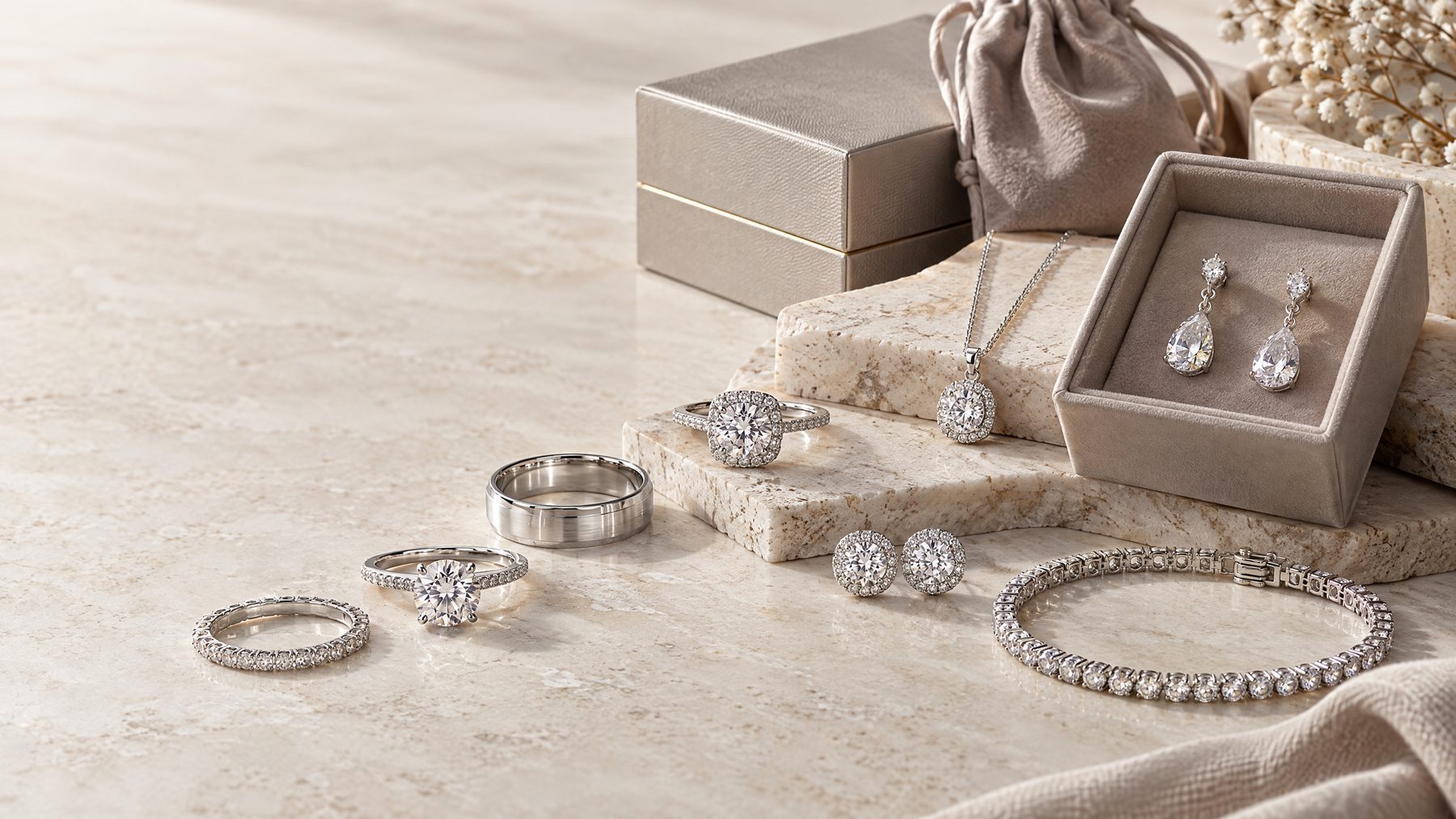
Why More Jewelry Buyers Are Choosing a One-Stop Supplier
What a One-Stop Jewelry Supplier Should Include
Product range and collection depth
Customization and product development
Quality control and documentation
Packaging, fulfillment, and international delivery
How to Compare the Top One-Stop Jewelry Suppliers
1. Compare product capability
2. Compare customization capability
3. Compare quality systems
4. Compare communication and project management
5. Compare total sourcing cost
Product, Customization, Quality, and Shipping in One Workflow
Product selection or concept briefing
Design and technical confirmation
Sampling and approval
Manufacturing and inspection
Packaging and shipping
Why AphroSilver Is Built for Silver Jewelry Collection Sourcing
Ready-made and custom product options
OEM, ODM, and private-label pathways
Quality documents and inspection support
Packaging, global delivery, and after-sales communication
Let’s Build Your Next Jewelry Collection