





How to Build a Wholesale Sterling Silver Jewelry Assortment That Sells
For a Wholesalers、Retailers and Brands buyer, assortment planning is not simply a matter of collecting attractive designs. The commercial job is to give each customer segment enough choice to shop, enough consistency to recognize your brand, and enough repeatability to reorder. That means matching the silver jewelry assortment to price architecture, seasonality, channel behavior, and the amount of inventory your business can responsibly carry.
1. Start with the commercial role of your silver jewelry range
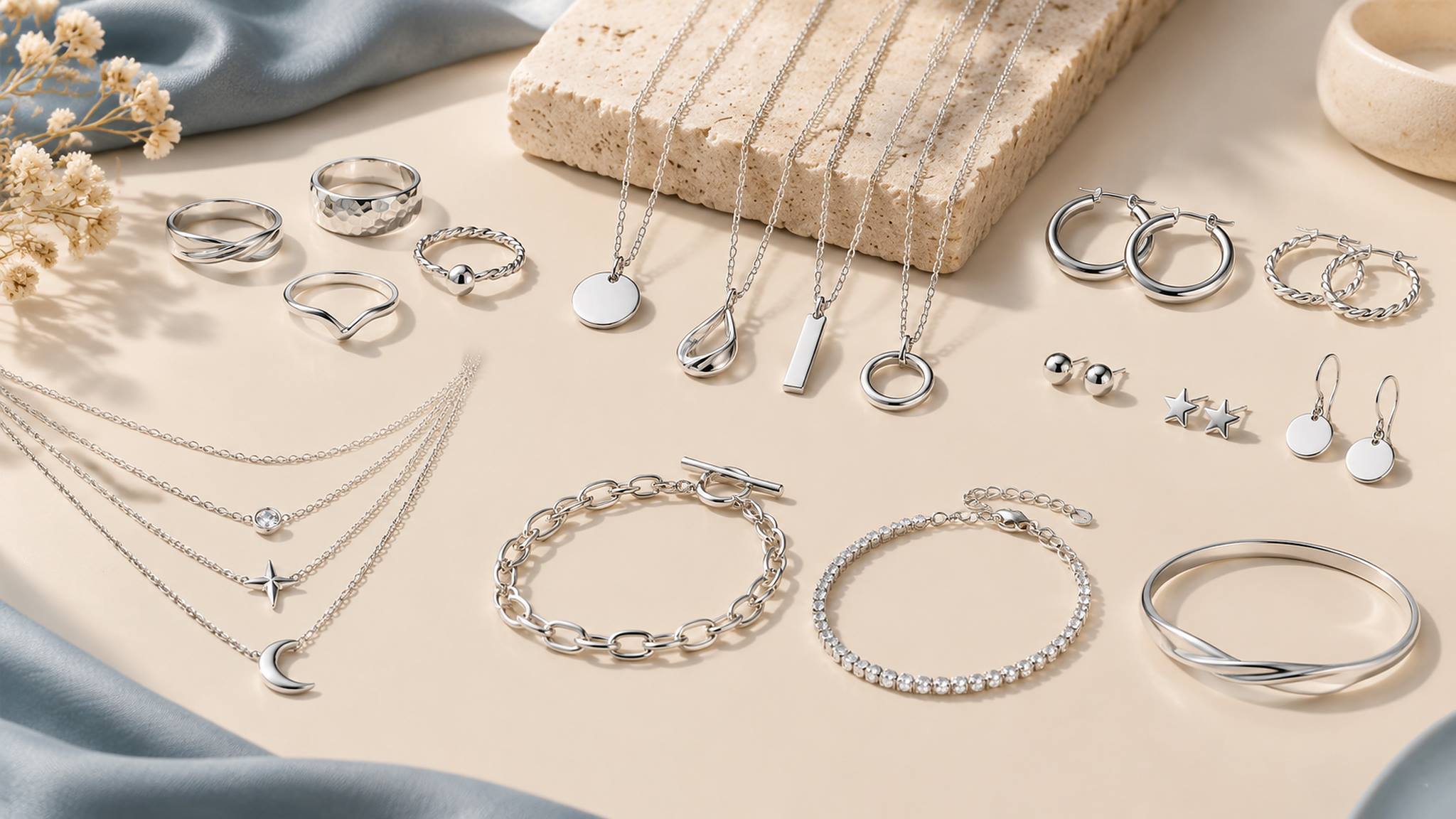
Before selecting products, write down who will buy them and where they will be sold. A boutique may need compact, giftable designs with clear visual merchandising. An online brand may need recognizable hero products, strong photography, and repeatable replenishment. A wholesaler may need breadth across sterling silver jewelry categories so its retail customers can build their own edits.
Define the shopper
Map age, style, gifting occasions, gender mix, size needs, and expected retail price before choosing SKUs.
Define the channel
Separate boutique, marketplace, DTC, trade-show, and wholesale requirements for packaging, content, and replenishment.
Define the job of each SKU
Label items as traffic drivers, margin builders, seasonal tests, add-ons, or collection anchors.
2. Use market data without letting it dictate your assortment
As of November 2026, the latest Silver Institute and Metals Focus market update forecasts total global silver demand at 1.08 billion ounces in 2026, down 5% year over year, with a market deficit of approximately 35 million ounces. Industrial demand is expected to reach 640 million ounces; mine production is forecast at about 834 million ounces; and recycling is expected to rise 6% to 210 million ounces. At the same time, higher prices and softer spending in several markets are forecast to reduce silver jewelry demand by 22%. These figures support disciplined purchasing, lighter product options, and clear price ladders, but they are not a direct forecast of any individual store’s sales.
The practical implication is simple: do not respond to a tight metal market by buying a broad collection without a reorder plan. Instead, identify a dependable core, test a limited number of fashion-led styles, and confirm the supplier’s quotation validity and material assumptions. Buyers can also review AphroSilver’s wholesale silver jewelry sourcing guide for a broader supplier-evaluation checklist.
Build a 2027 trend plan rather than a fixed forecast
For 2027, trends are better treated as planning scenarios than as guaranteed outcomes. J.P. Morgan Global Research’s August 2026 public outlook put its silver-price scenario at about $70.6 per ounce on average for 2026 and $63.9 per ounce for 2027. This is a financial-market scenario, not a promised supplier price or a substitute for a current quotation.
| Trend signal | Evidence and uncertainty | Practical product action |
|---|---|---|
| Lightweight designs and price ladders | Higher silver prices have encouraged smaller and lighter purchases in some markets; price and consumer recovery remain uncertain. | Add fine chains, small pendants, lightweight earrings, and stackable styles while retaining a limited number of heavier hero pieces. |
| Personalization, charms, and modular pieces | 2027 retail trend coverage highlights charms, personalization, and products that express a customer’s story; exact motifs still need local sell-through testing. | Test initials, coordinates, meaningful symbols, nature motifs, and detachable charms that can work across necklaces, bracelets, bags, or key rings. |
| Mixed metals, vintage shapes, and crafted texture | Retail trend reporting points to mixed metals, vintage silhouettes, handcrafted details, colorful stones, and ocean or shell motifs. These are signals, not official sales forecasts. | Run small test groups in silver, gold-tone, and rose-gold finishes, using vintage pendants, cuffs, asymmetric earrings, and textured surfaces. |
A practical 2027 replenishment model is a three-layer system: stable core styles, small-batch trend tests, and project-based custom designs. Review sell-through, returns, customer search terms, advertising clicks, and reorder cycles each quarter before increasing depth. This allows the assortment to respond to trends without turning an unverified forecast into excess inventory.
3. Build a balanced assortment by product category
A useful silver jewelry collection usually combines high-frequency basics with products that create visual interest. The right ratio depends on your customer and channel, so treat the following as a starting structure rather than a universal formula.
| Role | Typical product examples | Planning purpose | Buyer question |
|---|---|---|---|
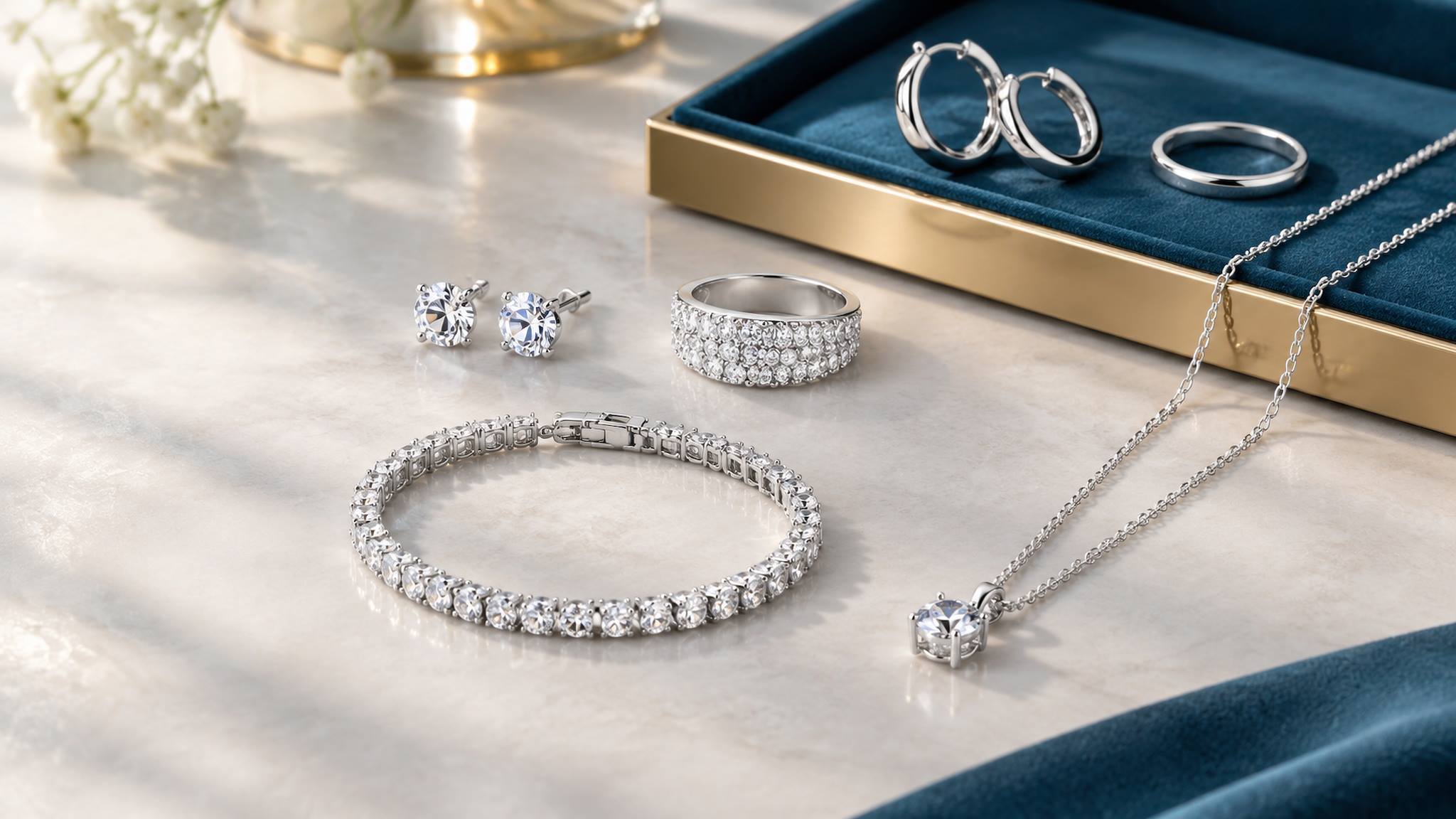
| Core / repeatable | Stud earrings, simple rings, chains, everyday pendants | Reliable entry points and replenishment | Can this style be reordered with the same finish and dimensions? |
| Statement / margin | Stone-set rings, tennis bracelets, layered necklaces | Raise average order value and visual impact | Are stone, setting, plating, and inspection specifications documented? |
| Seasonal / occasion | Gift sets, wedding, festival, holiday, zodiac or motif designs | Create timely campaigns and giftability | What is the sell-through window and markdown risk? |
| Test / trend | New silhouettes, mixed finishes, niche motifs | Learn without overcommitting inventory | Can the supplier support a controlled pilot before scale-up? |
AphroSilver’s catalog separates 925 sterling silver rings, earrings, necklaces, pendants, chains, bracelets, bangles, men’s jewelry, tennis jewelry, and sets. That category structure can help buyers assemble a range by shopper mission instead of by a random list of designs.
Use a good-better-best price ladder
Within each major category, compare silhouette, dimensions, stone or component choice, finish, packaging, and expected retail position. A good-better-best ladder does not mean making unsupported quality claims. It means making the differences visible and documentable so a buyer can explain why one item costs more than another.
| Specification | What to record | Why it matters |
|---|---|---|
| Metal | Alloy description, silver fineness, estimated weight, hallmark or marking | Supports compliant product copy and consistent costing |
| Dimensions | Length, width, thickness, ring size range, chain gauge, clasp type | Controls customer expectations and repeat-order accuracy |
| Finish | Silver, rhodium, gold, rose gold, oxidation, polish, anti-tarnish treatment | Changes appearance, care instructions, and inspection criteria |
| Components | Stone type, grade or certificate where relevant, posts, backs, jump rings, soldered areas | Reduces ambiguity in quotations and QC checks |
| Packaging | Individual pouch or box, anti-tarnish material, SKU label, carton quantity | Protects product during storage, transport, and retail handling |
4. Verify 925 silver claims and finish requirements
In the United States, the FTC Jewelry Guides state that the terms “silver,” “Sterling Silver,” “Sterling,” or “Ster.” should not be used to describe all or part of a product unless it is at least 925 parts per 1,000 pure silver. That is the compliance baseline behind the familiar “925” description; it is not a substitute for confirming the specification and testing arrangements for a particular order.
Ask a supplier to put the material wording, finish, component scope, and inspection method into the quotation or purchase specification. Do not rely on a stamp alone as your entire quality system. Confirm which parts are included, how samples are retained, and how non-conforming pieces are handled.
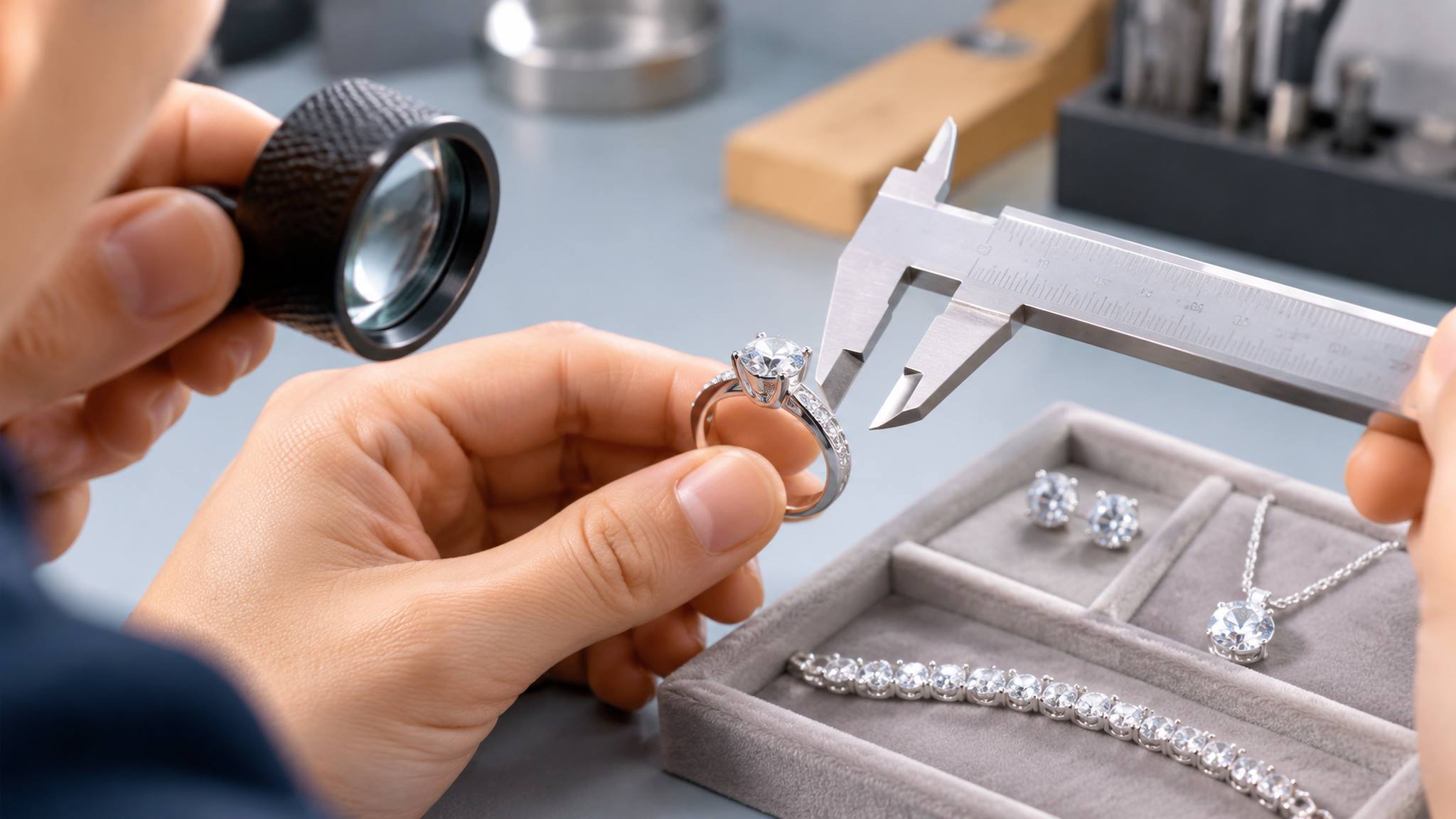
Silver fineness reference
FTC guidance identifies 925/1,000ths as the threshold for describing a product as sterling silver.
Typical alloy balance
Scientific literature commonly describes sterling silver as an Ag-rich alloy with copper as the balance.
Approved master sample
Keep one signed reference sample and specification set for repeat orders and dispute prevention.
Also explain care accurately. Research in npj Heritage Science reports that moisture and trace hydrogen sulfide can contribute to tarnishing, and that the corrosion layer depends on the environment and alloy structure. For wholesale packaging, discuss separated pieces, anti-tarnish materials, low-abrasion packing, and realistic care instructions rather than promising that any finish will never change.
5. Plan breadth, depth, and reorder logic
Breadth means how many categories and design families you offer. Depth means how many units you buy behind each selected SKU. A new range often performs better when it has enough breadth to look complete but enough depth in core items to avoid immediate stock-outs.
- Set a core list: choose the everyday styles that represent your brand and can be replenished.
- Assign a test list: use a smaller quantity for trend, seasonal, or unproven designs.
- Mark reorder triggers: define the stock level or sales signal that prompts a repeat order.
- Review by SKU family: compare sell-through, margin, returns, defects, and customer questions, not just total revenue.
For a first pilot, sample different operational risks: one chain, one stone-set ring, one polished item, one plated item, one clasped bracelet, and one earring component. This gives you more useful evidence than buying many similar designs that test the same production conditions.
6. Ask the supplier the right MOQ, pricing, and lead-time questions
MOQ is not one universal number. It may apply per design, per size, per finish, per color, per mold, per branded package, or per shipment. Ask the supplier to define the unit of measurement in writing. The same principle applies to lead time: separate development, sample approval, production, inspection, packing, and transit.
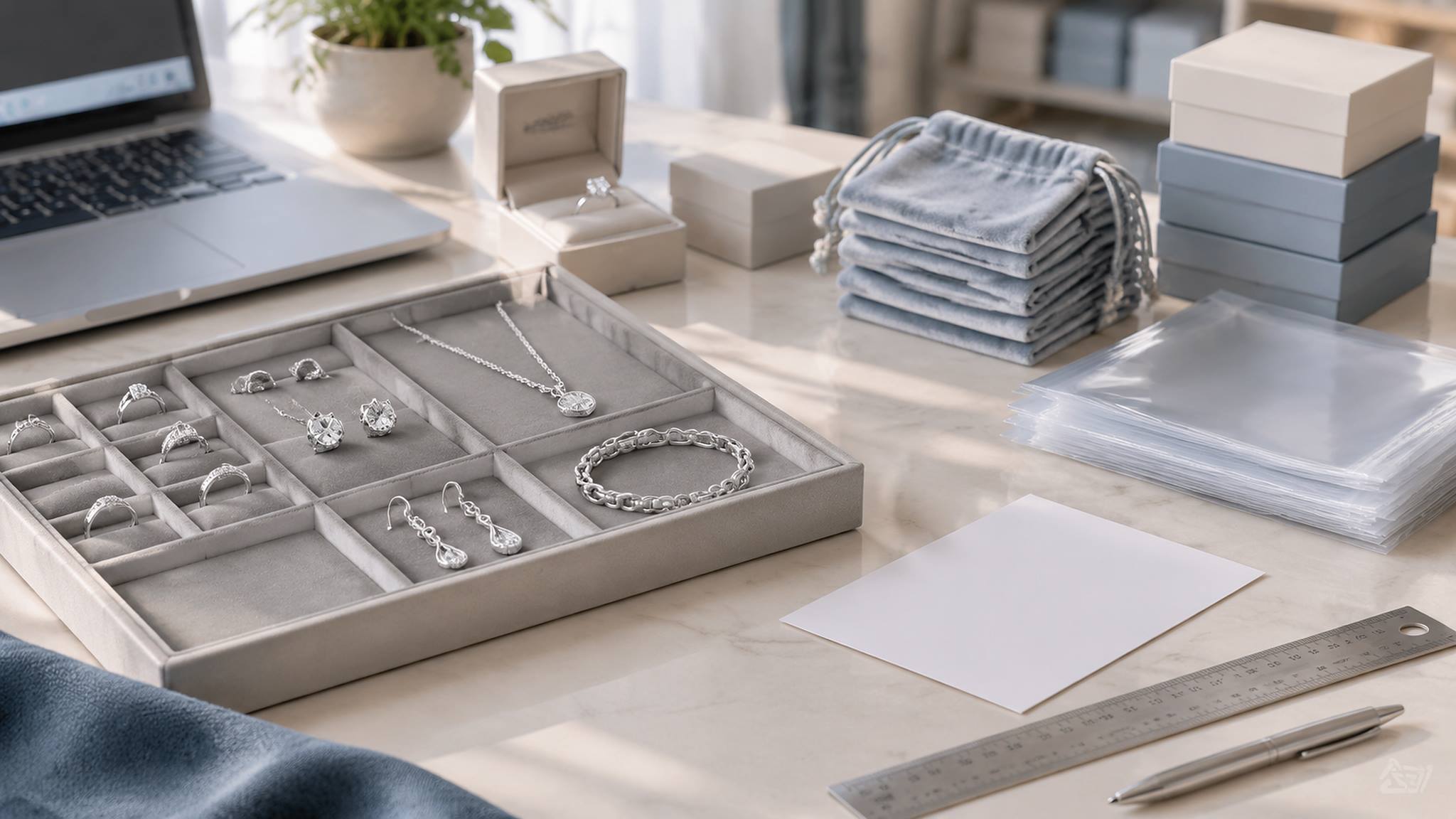
| Topic | Questions to include in the brief |
|---|---|
| Assortment | Which categories, target customer, channel, retail price ladder, seasonal priorities, and hero products? |
| Material | What does 925 cover? What are the weight, alloy, hallmark, plating, and component requirements? |
| MOQ | Is the MOQ per SKU, size, finish, mold, package, or total order value? Can styles be mixed? |
| Quality | What are the checks for scratches, porosity, loose stones, sharp edges, clasp function, color, and dimensions? |
| Packaging | How are pieces separated and protected against abrasion and tarnish during storage and transit? |
| Replenishment | Can the approved sample, materials, finish, and packaging be repeated on a defined schedule? |
For buyers developing a branded collection, compare the private-label silver jewelry manufacturing workflow and document every hand-off from design or sample modification to inspection and packaging. If you are still choosing between ready-to-sell products and custom development, the wholesale silver jewelry options guide can serve as a related planning reference.
7. Turn the assortment plan into a supplier-ready brief
Your final brief should make it possible for a supplier to quote the same scope that you are comparing. Include target categories, reference images or product IDs, dimensions, metal and finish requirements, stone or component details, packaging, branding, quantity by SKU, delivery destination, inspection expectations, and the information you need on the quotation.
- Customer segment and sales channel
- Core, seasonal, and test SKU roles
- 925 material and marking wording
- Dimensions, sizes, and weight targets
- Finish and plating requirements
- Stone and component specifications
- MOQ definition and mixed-SKU rules
- Sample approval and master-sample process
- Packaging, labeling, and carton details
- Inspection, defect handling, and reorder terms
A well-structured brief lets a supplier respond with evidence instead of generic assurances. It also gives your purchasing, merchandising, content, and quality teams one shared reference when the collection moves from sample to production.
Ready to review a 925 wholesale assortment?
Share your target categories, customer profile, quantities, finishes, packaging needs, and delivery market with AphroSilver. The team can help you compare in-stock selection, customization, OEM/ODM, private-label, and replenishment options against a clear supplier brief.
Contact AphroSilver about your assortmentFrequently Asked Questions
What is the best product mix for wholesale sterling silver jewelry?
There is no universal mix. Start with core everyday items across the categories your customers already shop, then add a smaller share of statement, seasonal, and test styles. Use your own sell-through, margin, returns, and reorder data to adjust the mix.
What does 925 mean in sterling silver jewelry?
925 means 925 parts per 1,000, or 92.5%, pure silver. The FTC Jewelry Guides use 925/1,000ths as the threshold for describing a product as sterling silver in the United States. Buyers should still confirm the full product specification and testing process for each order.
How should a buyer compare wholesale silver jewelry quotations?
Normalize the scope first. Compare silver content and weight, workmanship, stones and components, finish, packaging, branding, inspection, freight terms, and the definition of MOQ. A lower unit price may exclude items that another quotation includes.
How can wholesale buyers reduce tarnish and transit damage?
Discuss separated pieces, low-abrasion packaging, anti-tarnish materials, dry storage, and clear care instructions with the supplier. Sterling silver can react with moisture and sulfur-containing gases, so packaging and storage are part of product quality.
Can AphroSilver support private-label or custom sterling silver jewelry?
AphroSilver’s published private-label page describes support for 925 sterling silver production, custom markings, materials, plating, sizing, packaging, OEM, and ODM workflows. Confirm the current scope, MOQ, lead time, and project specifications directly with the team.
Curated wholesale selection
Recommended Products for Your Silver Jewelry Assortment
Explore eight complementary 925 sterling silver styles across rings, earrings, necklaces, bracelets, bangles, sets, and men's jewelry. Contact AphroSilver for current wholesale pricing, MOQ, and availability.
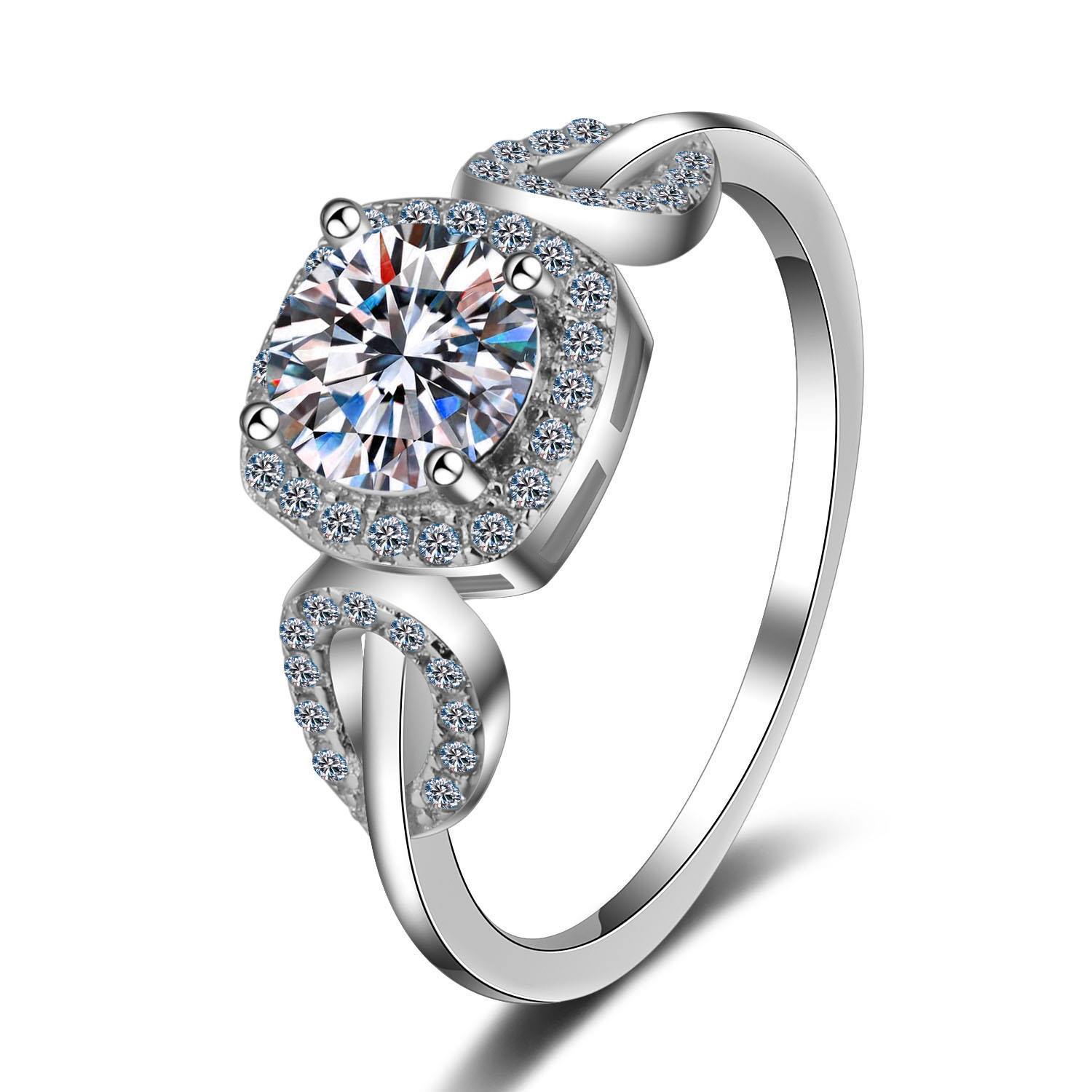
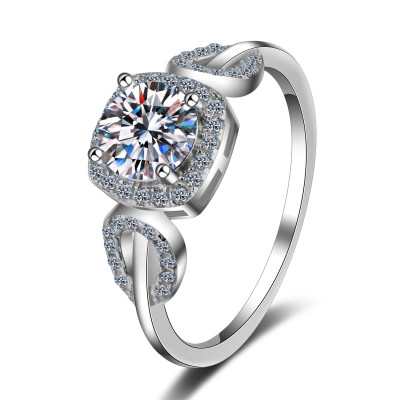
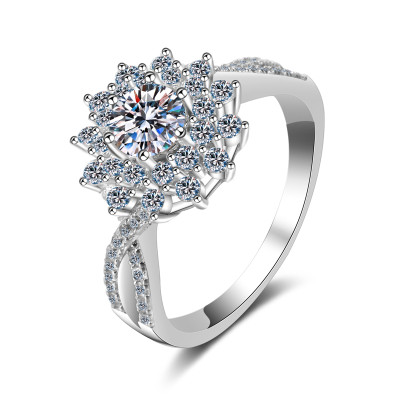
Wholesale GRA certified 1ct moissanite ring
A luxury 925 sterling silver moissanite ring with VVS1-quality moissanite and size options for premium assortment planning.
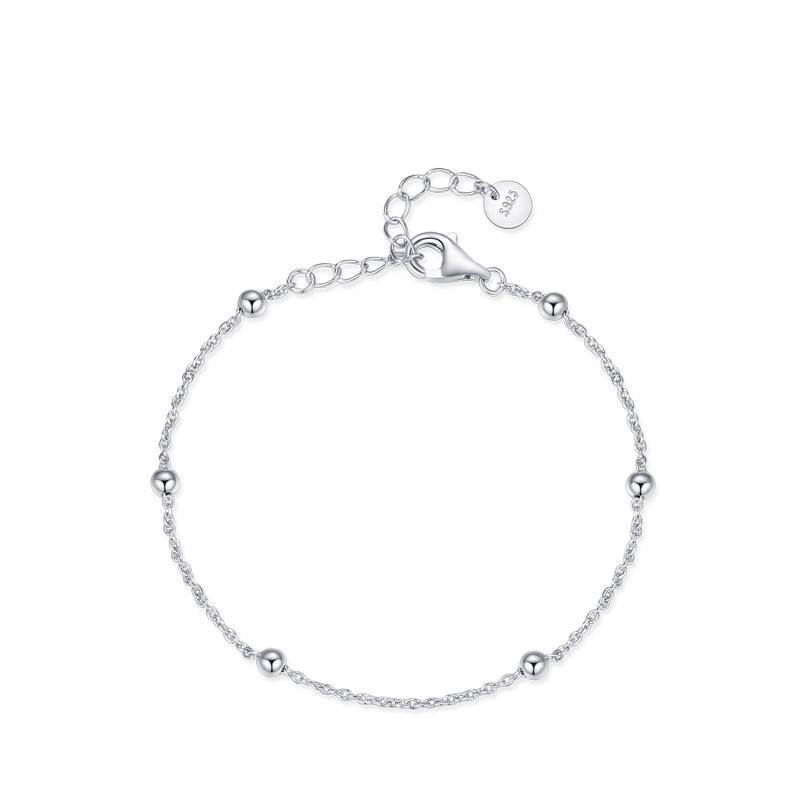
Custom 925 Sterling Silver Bracelet
A classic 925 sterling silver bracelet suited to private-label collections and repeatable bracelet category planning.
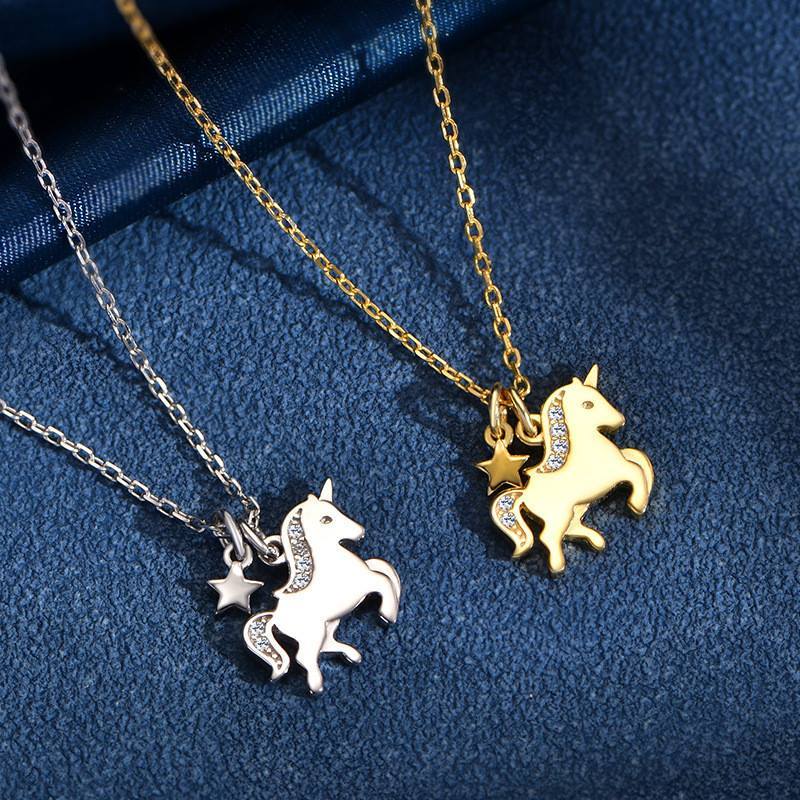
925 Sterling Silver Pony Pendant Necklace
A classic 925 sterling silver pendant necklace with zircon detail for everyday and giftable wholesale selections.
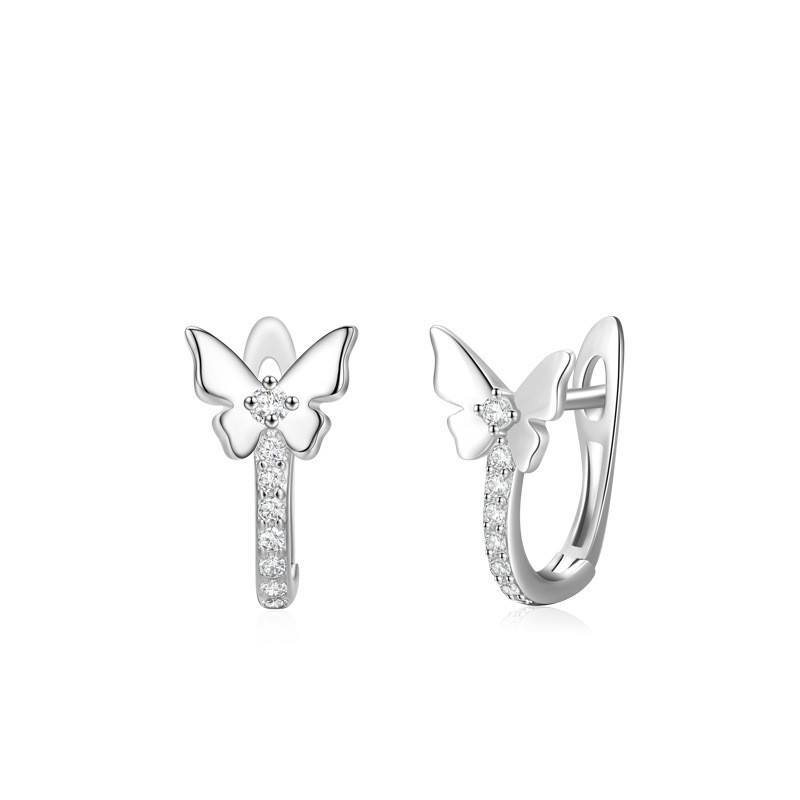
Wholesale 925 Sterling Silver Butterfly Charm Hoop Earrings
Dainty 925 sterling silver hoop earrings with a butterfly charm, designed for accessible everyday assortment breadth.
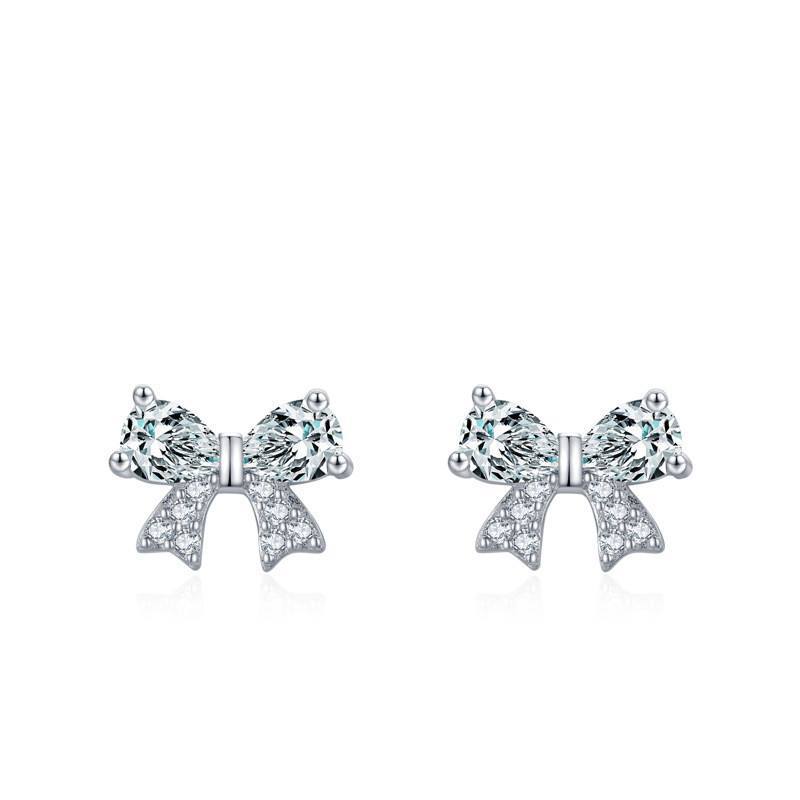
Wholesale 925 Sterling Silver Bow Stud Earrings
Minimalist 925 sterling silver bow studs with a polished look for boutiques, gift shops, and online collections.
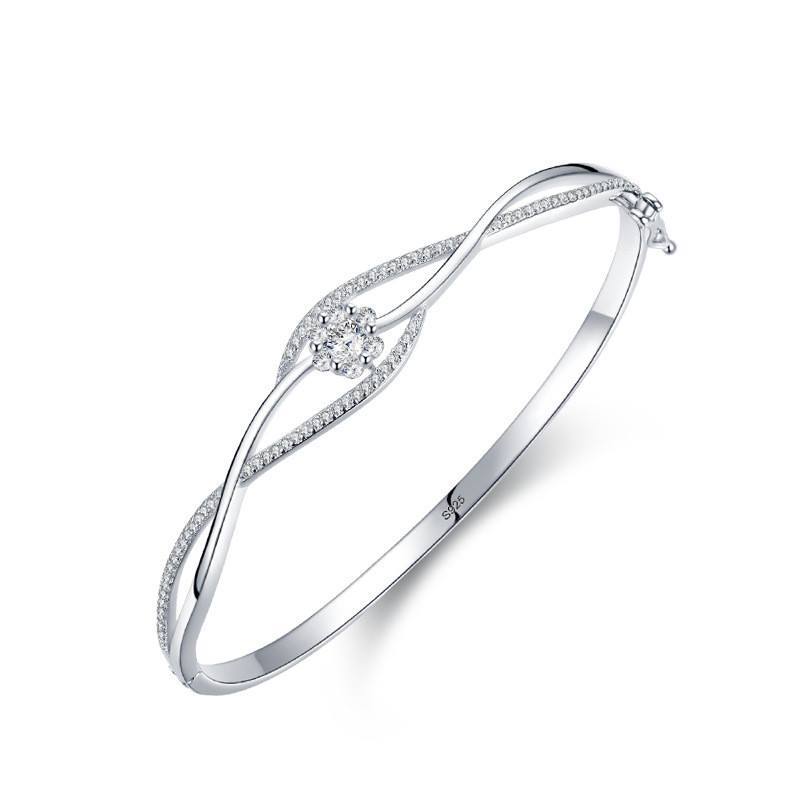
Wholesale 925 Sterling Silver Zircon Bangle
An elegant 925 sterling silver zircon bangle with multiple circumference options for a balanced bracelet and bangle range.
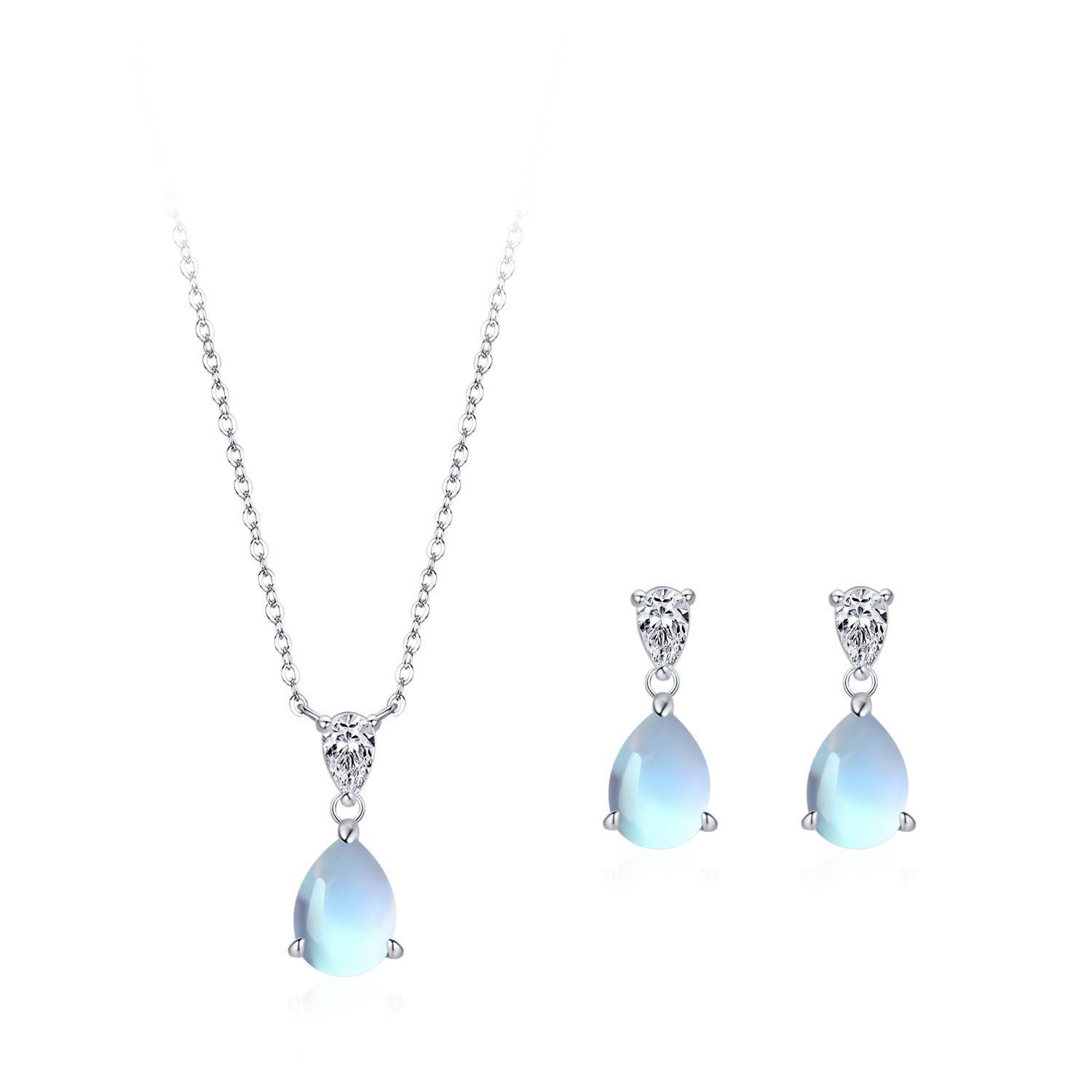
Wholesale Fashion Jewelry Sets
A coordinated 925 sterling silver necklace and earring set that supports giftable and seasonal product mixes.
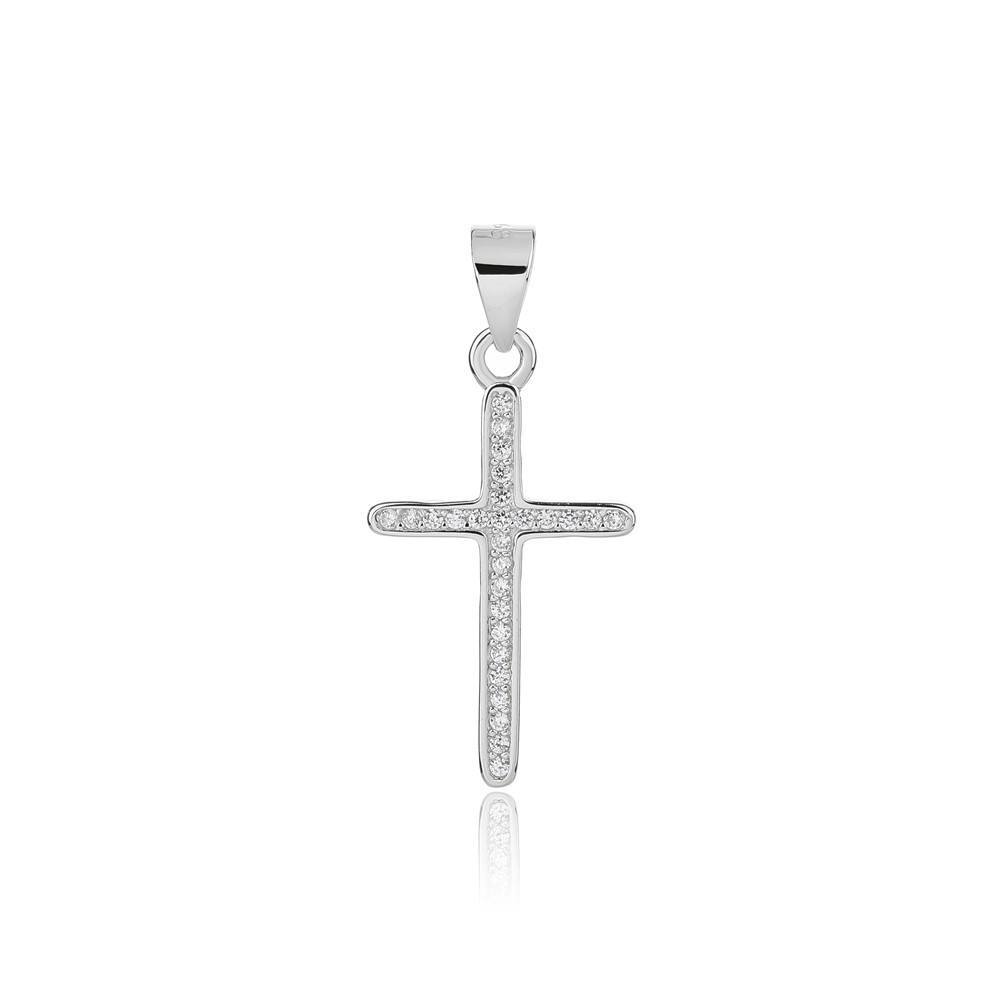
New Arrival Sterling Silver 925 Pendant
A classic 925 sterling silver cubic zirconia cross pendant for adding a men’s jewelry option to the assortment.
- Silver Institute, November 2026 market update — 2026 silver demand, deficit, industrial demand, mine supply, recycling, and jewelry-demand forecasts.
- J.P. Morgan Global Research, The path for silver prices in 2026 and 2027 — public 2026 and 2027 silver-price scenarios.
- Gifts & Decorative Accessories, Small Footprint, Big Sales: Jewelry Trends to Stock for 2027 — 2027 retail trend signals.
- U.S. Federal Trade Commission, Jewelry Guides — sterling silver and 925/1,000ths labeling guidance.
- Storme, Schalm & Wiesinger, npj Heritage Science — sterling silver composition and tarnishing environment research.
- AphroSilver product catalog — current product-category structure.
Market forecasts and trend scenarios can change. Product availability, MOQ, pricing, certifications, lead times, and customization terms should be confirmed in a current quotation or project specification. The 2027 section is a sourcing-planning framework, not a guaranteed sales forecast.