OEM vs. ODM Jewelry Manufacturing: Which Model Is Right for Moissanite Rings?
Choosing the right manufacturing model can affect your ring design, launch speed, development cost, product ownership, and long-term brand identity. This guide compares OEM and ODM jewelry manufacturing for moissanite rings, including the practical differences between OEM vs ODM moissanite rings and custom vs ready-made jewelry, and explains how AphroSilver supports brands, wholesalers, retailers, e-commerce sellers, and jewelry startups.
OEM vs. ODM: The Core Difference
When a jewelry brand begins developing a moissanite ring collection, one of the first decisions is whether to work with an OEM silver jewelry manufacturer or an ODM silver jewelry manufacturer. Although the terms are often used interchangeably, they describe two different ways of turning a product idea into a sellable piece of jewelry.
OEM stands for Original Equipment Manufacturing. Under an OEM arrangement, the brand owns or provides the product concept. The manufacturer produces the jewelry according to the brand’s specifications, including dimensions, stone layout, metal choice, surface finish, engraving, packaging requirements, and other technical details.
ODM stands for Original Design Manufacturing. Under an ODM arrangement, the manufacturer provides an existing design, design library, or development concept. The buyer selects a suitable style and requests agreed modifications, such as a different stone size, metal color, surface finish, logo, or packaging direction.
| Factor | OEM jewelry manufacturing | ODM jewelry manufacturing |
|---|---|---|
| Starting point | Your design, drawing, prototype, or specification | The manufacturer’s existing design or design library |
| Design ownership | Primarily directed by the brand | Based on the manufacturer’s design resources, subject to agreement |
| Customization | Deep and highly specific | Usually limited to practical, agreed modifications |
| Development speed | Often longer because the design starts from your concept | Usually faster because a proven design base already exists |
| Best for | Signature collections, proprietary designs, and differentiated products | Fast launches, market testing, seasonal collections, and broader assortments |
| Main trade-off | More development work and potentially higher upfront cost | Less design exclusivity and less control over every detail |
The right choice is not determined by the label alone. It depends on how much design control your business needs, how quickly you want to launch, and whether your team already has the technical resources to manage product development. AphroSilver offers OEM, ODM, custom, and private-label silver jewelry services, allowing brands to use the most suitable approach for each product line. Buyers comparing custom vs ready-made jewelry can also review AphroSilver's custom sterling silver jewelry service before deciding how much development work they need.
Why Do Brands Consider AphroSilver?
AphroSilver’s public website presents more than a single-product manufacturing service. The company supports brands, wholesalers, retailers, and e-commerce sellers across selection or design, sampling, production, packaging, and delivery. Its catalog includes more than 10,000 silver jewelry designs across rings, necklaces, earrings, bracelets, jewelry sets, and other styles.
For moissanite ring projects, AphroSilver’s OEM service page presents 925 sterling silver, moissanite, and other gemstone options, with development based on drawings, 3D CAD files, physical samples, product specifications, and brand requirements. Its ODM service allows buyers to start from existing designs and adjust materials, stones, plating, sizes, logos, and packaging.
AphroSilver also presents an integrated production process covering design development, mold making, casting, gemstone setting, polishing, plating, and quality inspection. For B2B buyers, managing these stages through one manufacturing partner can simplify communication around sampling, repeat orders, and product-line expansion. MOQ, process, lead time, and quotation should still be confirmed for each specific project.
Choose OEM When You Have a Specific Ring Design
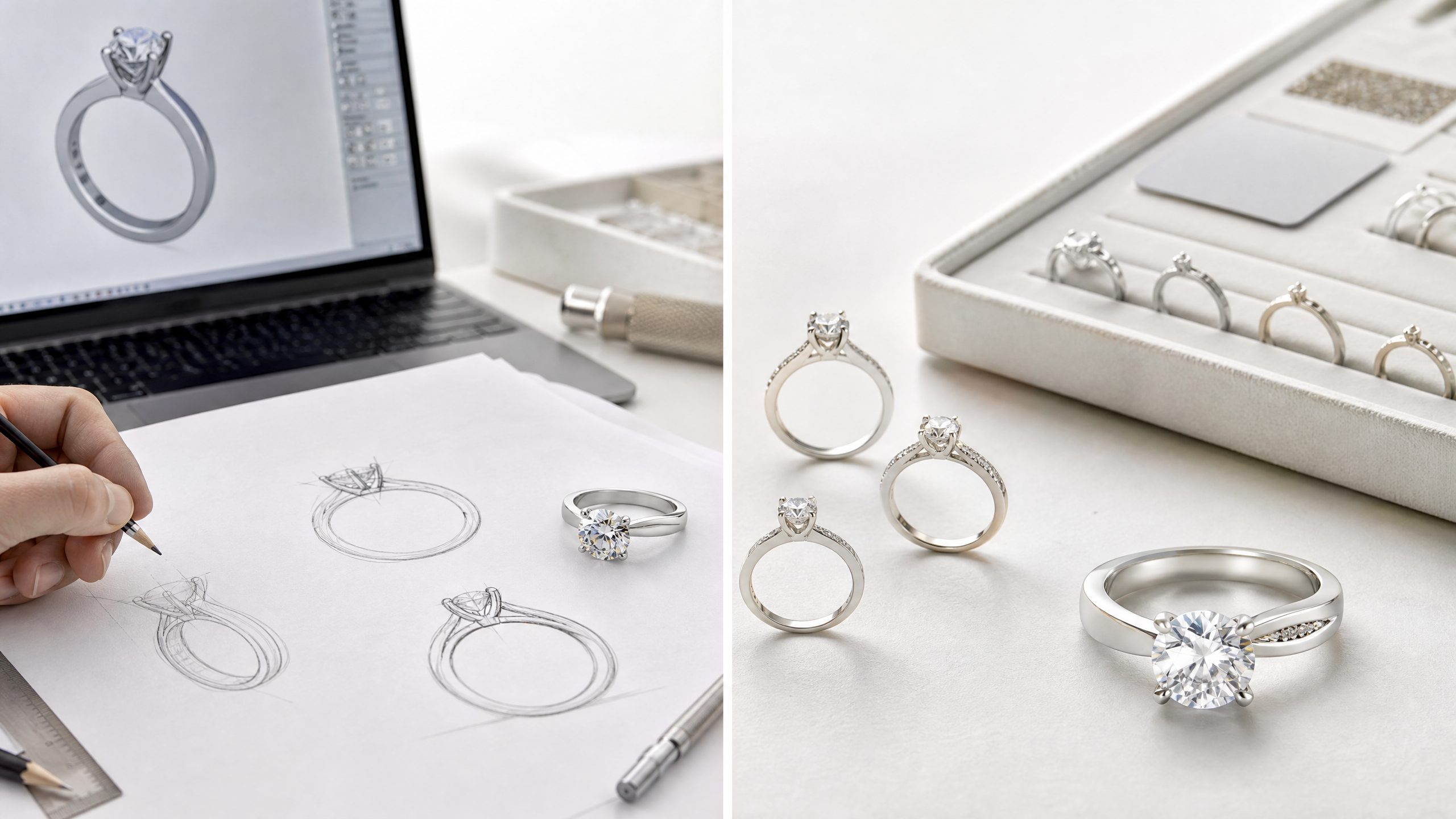
OEM is usually the stronger option when your brand already has a clear product concept that customers should recognize as yours. You may have a hand-drawn sketch, a CAD file, a physical sample, a measurement sheet, or a complete collection direction created by your in-house or independent designer.
Design Ownership and Product Differentiation
A proprietary ring silhouette can become one of the strongest assets in a jewelry brand’s catalog. A distinct setting, unusual band profile, signature prong arrangement, or recognizable engraving detail can help shoppers remember the product and make direct comparison with generic styles more difficult.
With OEM development, the manufacturer converts the information you provide into a production-ready product. The more complete the specification, the easier it is to align expectations around stone dimensions, metal weight, ring proportions, finishing, tolerances, and packaging.
For a moissanite ring, the design brief should clarify:
- Center stone shape, size, cut, and preferred visual characteristics
- Side-stone layout and setting method
- Ring size range and whether half sizes are required
- Metal type, purity, color, and plating or surface finish
- Engraving, branding, hallmark, or private-label requirements
- Target retail price and acceptable manufacturing cost
- Packaging, inspection, and delivery requirements
When Is OEM Worth the Additional Development Effort?
OEM can be a good fit for brands building a long-term identity rather than simply adding another ring to a large catalog. It is particularly useful when the product must match an existing collection, follow a protected design language, or meet a precise technical requirement that is not available in an off-the-shelf style.
The trade-off is that OEM development may involve more communication, drawing revisions, prototyping, and approval stages. This additional work can create stronger ownership of the final product and greater consistency across future production runs.
Choose ODM When You Need Faster Market Entry
ODM is often the practical choice for brands that want to launch quickly, validate demand, or expand their assortment without building every design from the ground up.
An experienced ODM silver jewelry manufacturer may already have a library of ring profiles, setting structures, stone arrangements, and production-proven styles. Instead of starting with a blank page, your team can select a suitable design direction and discuss modifications that make the piece relevant to your brand.
Common ODM Modifications for Moissanite Rings
- Changing the center stone shape or carat-equivalent size
- Adjusting the band width, profile, or ring proportions
- Selecting 925 sterling silver or another agreed metal option
- Changing the metal color or surface finish
- Adding an engraving, logo, or private-label mark
- Modifying the packaging and presentation materials
- Creating coordinated earrings, pendants, or wedding bands
ODM does not mean “no customization.” It means the customization starts from an existing design foundation. This can reduce development time while still allowing a brand to create a coherent collection.
When Is ODM the Better Commercial Decision?
ODM may be more suitable for a new jewelry business, a retailer testing a new price point, a wholesaler building seasonal inventory, or a brand that needs several complementary styles in a limited timeframe. It can also help a marketing team respond to emerging trends before the opportunity becomes less competitive.
The key question is whether the product needs to be completely original or whether it needs to be commercially relevant, well-presented, and ready for a specific market window.
How Does AphroSilver Support Both Models?
For many brands, the decision is not simply OEM or ODM forever. A brand may use ODM for fast-moving core styles and OEM for a signature collection, campaign launch, or product with a highly specific design requirement.
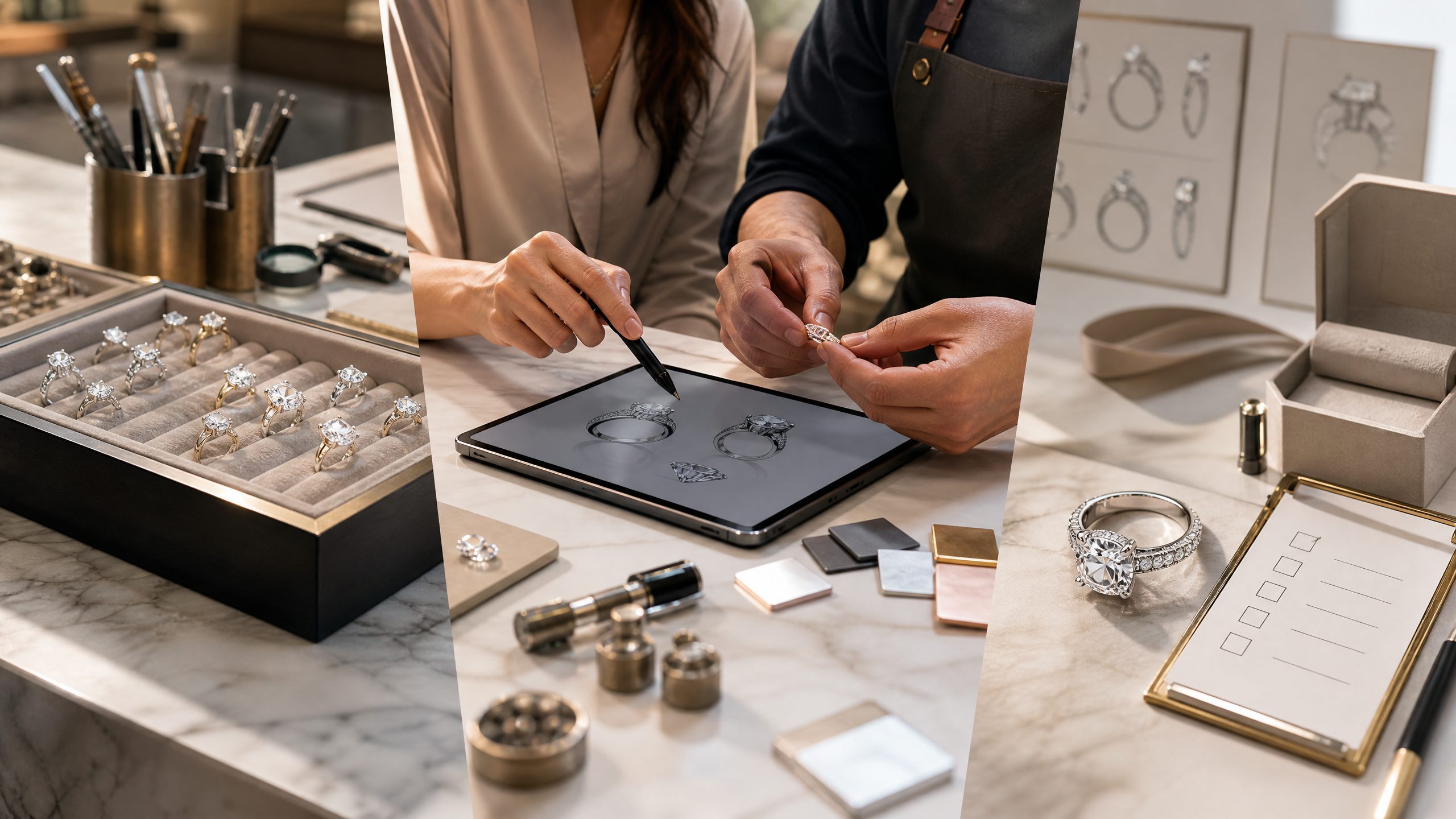
AphroSilver can help buyers evaluate which route is appropriate before production begins. If you are comparing an OEM silver jewelry manufacturer route with an ODM silver jewelry manufacturer route, prepare your design files, target quantity, and launch timing for a more focused discussion. Its website presents solutions for jewelry brand owners, wholesalers, retailers, e-commerce sellers, and jewelry startups. The silver jewelry startup program is relevant for new businesses building an initial collection, while jewelry wholesaler support and jewelry retailer support address different buying and assortment needs. Buyers can consider OEM, ODM, custom, or private-label services according to product-line goals, order scale, and launch timing.
For jewelry brand owners, brand-owner one-stop support can help connect product development with packaging and repeat-order planning. For buyers who want to reduce initial inventory risk, AphroSilver’s website presents flexible purchasing support. In-stock products can be ordered as one piece per style, with a minimum order quantity of 20 pieces; customized products are presented with a 30-piece MOQ. OEM and ODM project requirements can vary by design complexity and configuration, so the final MOQ and quotation should be confirmed for the specific project.
A Clear Development Process
- Share the product direction. Provide a sketch, reference image, design file, selected ODM style, or written description.
- Confirm technical details. Align on stone specifications, metal, finish, dimensions, sizing, branding, and packaging.
- Review feasibility and quotation. Evaluate the development approach, estimated cost, MOQ, and lead-time expectations.
- Approve the sample. Check appearance, fit, proportions, stone setting, finish, branding, and packaging before bulk production.
- Finalize production standards. Confirm the approved sample, inspection expectations, packing details, and delivery plan.
This structured approach is valuable for both OEM and ODM jewelry manufacturing because it reduces ambiguity and gives brand owners, wholesalers, and retailers a common reference point when reviewing a sample or discussing revisions.
Design Ownership and Starting Materials
The starting material affects the entire project. OEM buyers should provide the clearest available design information, while ODM buyers should identify which parts of the selected design can be changed and which parts remain standardized.
For either model, it is helpful to discuss design ownership, confidentiality, exclusivity, and the permitted use of technical files or samples in the early stages. These commercial terms should be agreed in writing before development begins.
For customers who value brand assets, AphroSilver presents confidentiality agreements, personalized logos, labels, and packaging support for brand customers. If your moissanite ring includes a proprietary structure, brand symbol, or collection story, explain the confidentiality, logo placement, packaging, and exclusivity requirements when submitting the design or sample.
Development Speed and Customization Depth
The biggest operational difference between OEM and ODM is often the balance between development speed and customization depth.
ODM generally allows a shorter path from selection to sample because the manufacturer is not creating every structural element from the beginning. AphroSilver presents a continuously updated design library and more than 10,000 silver jewelry designs, allowing brands to start from an existing direction and then discuss materials, stones, sizes, plating, logos, and packaging.
OEM generally offers a deeper level of control. The brand can define the product’s proportions and details more precisely, but the process may require additional design review, technical clarification, tooling or mold development, and sample revisions.
| Business priority | Usually more suitable |
|---|---|
| Launch a small collection quickly | ODM |
| Test a new market or trend | ODM |
| Build a recognizable signature design | OEM |
| Match an existing proprietary collection | OEM |
| Combine speed with moderate customization | ODM with agreed modifications |
| Create a highly specific construction or detail | OEM |
MOQ, Sampling, and Cost Considerations
Minimum order quantity, sampling, and cost are important in both OEM and ODM projects, but the cost structure may differ depending on the amount of development work involved.
MOQ and Order Planning
MOQ can be influenced by the material, production process, number of variations, packaging requirements, and whether the product is a new development. Confirm MOQ by style, color, size range, and order batch rather than relying only on a general factory minimum.
A project with several metal colors, center-stone shapes, and ring sizes may create more production complexity than a single style in one configuration. An itemized quotation can help reveal which variables have the greatest impact.
Sampling and Approval
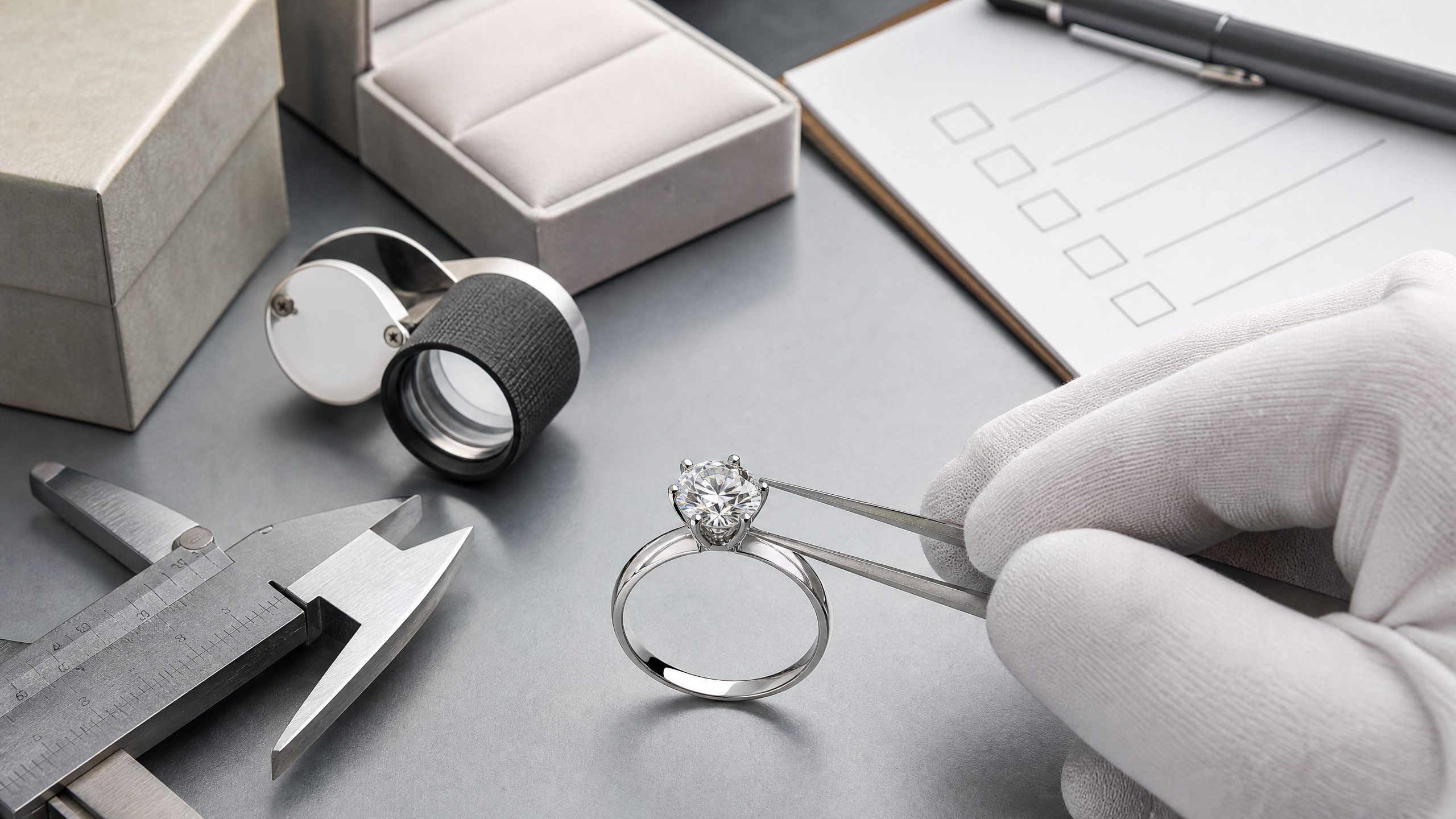
A sample is more than a visual preview. It is an opportunity to verify the ring’s proportions, stone appearance, setting, finish, fit, engraving, and packaging presentation. OEM projects may require more sample rounds because the design is being developed from a new concept. ODM projects may move faster, but requested modifications should still be checked carefully.
Before approving a sample, confirm:
- Ring size and measurement tolerances
- Center-stone and side-stone appearance
- Security and alignment of the setting
- Metal color and surface finish
- Logo, engraving, and hallmark placement
- Final packaging and product labeling
Look Beyond the Unit Price
The unit price is only one part of the commercial decision. Buyers should also consider design development, sampling, tooling or mold charges where applicable, packaging, inspection, shipping, payment terms, and inventory costs.
AphroSilver presents a one-stop process covering quotation, drawings, samples, mass production, packaging, and delivery support. This can help buyers discuss the product, brand packaging, and repeat-order plan together rather than comparing only the unit price.
Private-Label Options After OEM or ODM
Private-label jewelry can be developed through either OEM or ODM, depending on the level of design ownership and customization required. A brand may select an ODM ring and add its logo, packaging, and collection story, or develop a fully specified OEM design with a more distinctive product identity.
Private-label requirements should be discussed early because branding may affect engraving placement, packaging dimensions, labels, documentation, and production approvals. If a design is intended to be exclusive or restricted to a particular buyer, the commercial terms should be clarified before the order is placed.
The best private-label strategy is not to add a logo at the last minute. It is to make the product, packaging, photography, product description, and customer experience feel like one consistent brand system.
Which Model Should Your Jewelry Business Choose?
- Choose OEM if you have a unique design, technical drawing, prototype, or proprietary collection concept.
- Choose ODM if you need a faster launch, want to test demand, or prefer to start from a proven design base.
- Consider a hybrid approach if your brand needs both recognizable signature pieces and commercially flexible styles.
- Request a development review if you are unsure whether a requested modification is a full OEM project or an ODM adaptation.
There is no universal winner in the OEM vs. ODM jewelry manufacturing decision. The right model is the one that fits your product ownership, customization needs, launch schedule, budget, order plan, and long-term brand strategy.
Ready to Discuss Your Moissanite Ring Project?
Whether you need a fully specified OEM design or a faster ODM route based on an existing jewelry concept, AphroSilver can help you organize the next step. Share your ring drawings, reference images, target specifications, expected quantity, and launch timeline so the project can be evaluated more efficiently.
What is the difference between OEM and ODM jewelry manufacturing?
OEM starts with the brand’s design, drawings, sample, or technical specifications. ODM starts with the manufacturer’s existing design or design library and allows the buyer to request agreed changes to materials, stones, plating, sizing, logos, or packaging.
Should I choose OEM or ODM if I already have a moissanite ring design?
OEM is generally more suitable if you have a unique design, CAD drawing, physical sample, or complete technical specification. If you have only a reference direction, you may also start with an ODM base design and request adaptations.
What can be customized in an ODM moissanite ring?
Depending on the manufacturer’s capabilities and the project scope, ODM customization may include the center-stone shape or size, band width, proportions, metal, metal color, surface finish, logo, engraving, packaging, and related jewelry styles.
Which is faster, OEM or ODM?
ODM is usually faster because the project starts from an existing design or production foundation. OEM may require additional technical review, CAD development, tooling, sampling, and approval stages.
Is OEM more expensive than ODM?
Not necessarily. Total cost depends on design development, sampling, materials, tooling, process complexity, packaging, inspection, shipping, and inventory. ODM may reduce early development work, while OEM may provide stronger long-term differentiation.
Is MOQ fixed for OEM and ODM projects?
No. MOQ can vary according to the design, material, production process, number of variations, metal colors, size range, packaging, and development requirements. Confirm the MOQ for the exact style and configuration.
Why should I approve a sample before bulk production?
Sample approval allows the buyer to review proportions, size, stone appearance, setting security, metal color, finish, logo placement, engraving, and packaging before committing to bulk production.
Can both OEM and ODM support private-label jewelry?
Yes. An ODM style can be combined with a logo, packaging, and brand story, while OEM can be used for a more distinctive proprietary design. Branding and exclusivity requirements should be discussed early.
What information does AphroSilver need to assess a moissanite ring project?
You can provide drawings, reference images, product specifications, product category, estimated quantity, and target launch date. AphroSilver’s OEM service page also identifies 3D CAD files and physical samples as useful project materials.
How should a jewelry brand choose between OEM and ODM?
Choose OEM when design ownership and deep customization are the priority. Choose ODM when faster market entry, market testing, or a proven design foundation is more important. A hybrid approach can support both signature products and flexible core styles.
What support can AphroSilver provide for a moissanite ring brand?
Based on its public service information, AphroSilver provides OEM, ODM, custom, and private-label silver jewelry services, more than 10,000 design options, 925 sterling silver and moissanite or other gemstone choices, sample development, mass production, quality inspection, logo and packaging customization, and packaging and delivery support. Its brand-owner solutions also present confidentiality agreements, rapid sampling, and design-restoration support. The exact scope, MOQ, price, and lead time should be confirmed for each project.
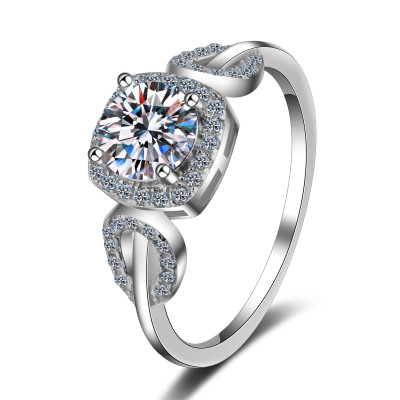
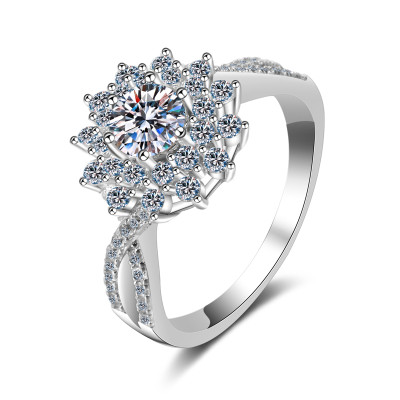
Explore six English-site moissanite ring styles for wholesale sourcing, collection planning, and OEM or ODM product development. Each recommendation links to its live AphroSilver product page for current specifications and inquiry details.
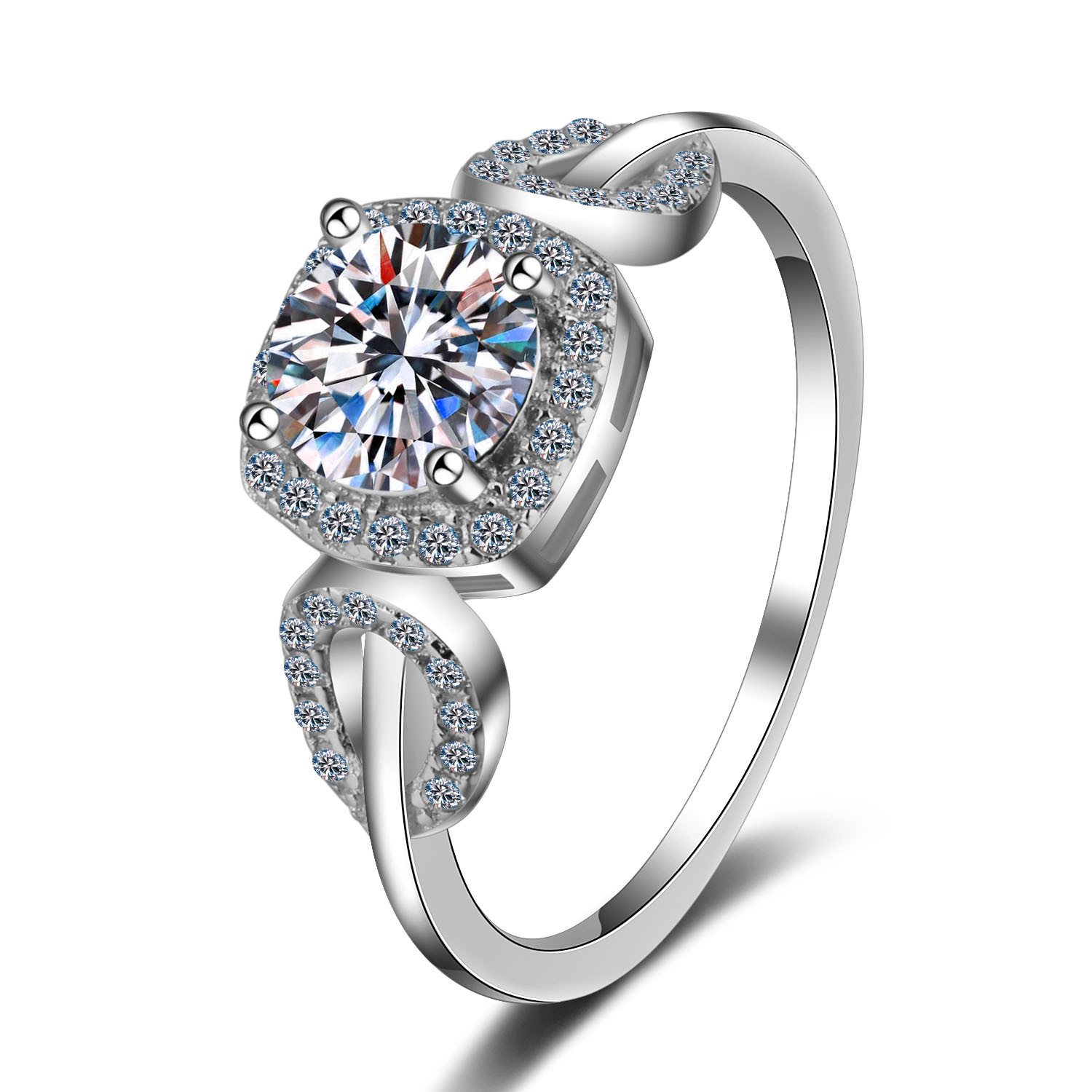
A B2B silver moissanite ring featuring 92.5% material purity and VVS1 moissanite quality for wholesale jewelry sourcing.
View product details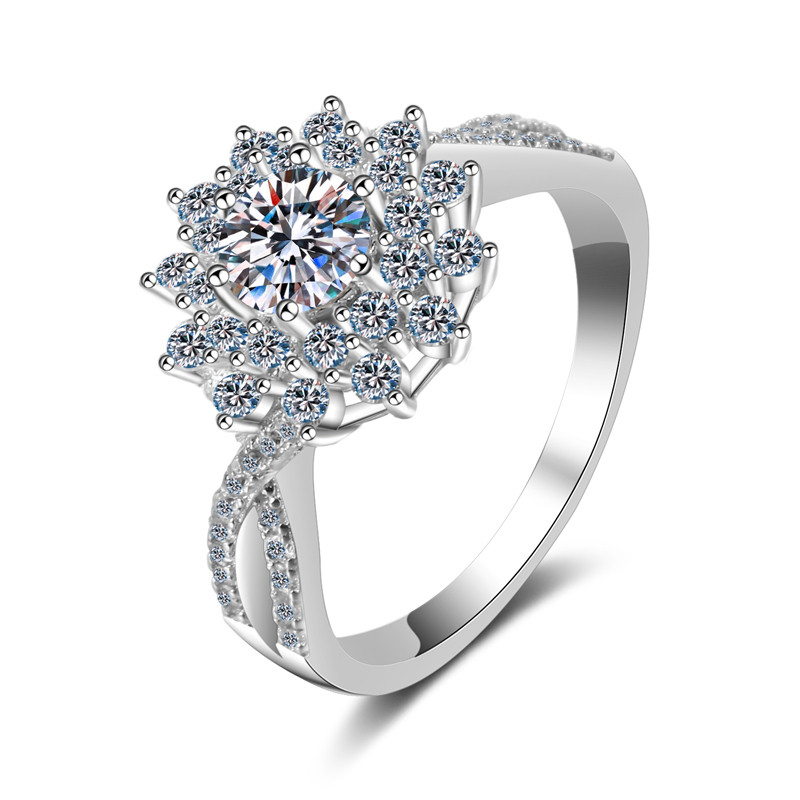
A GRA-certified D Color VVS1 moissanite eternity band designed for brands seeking a premium sterling silver wholesale style.
View product details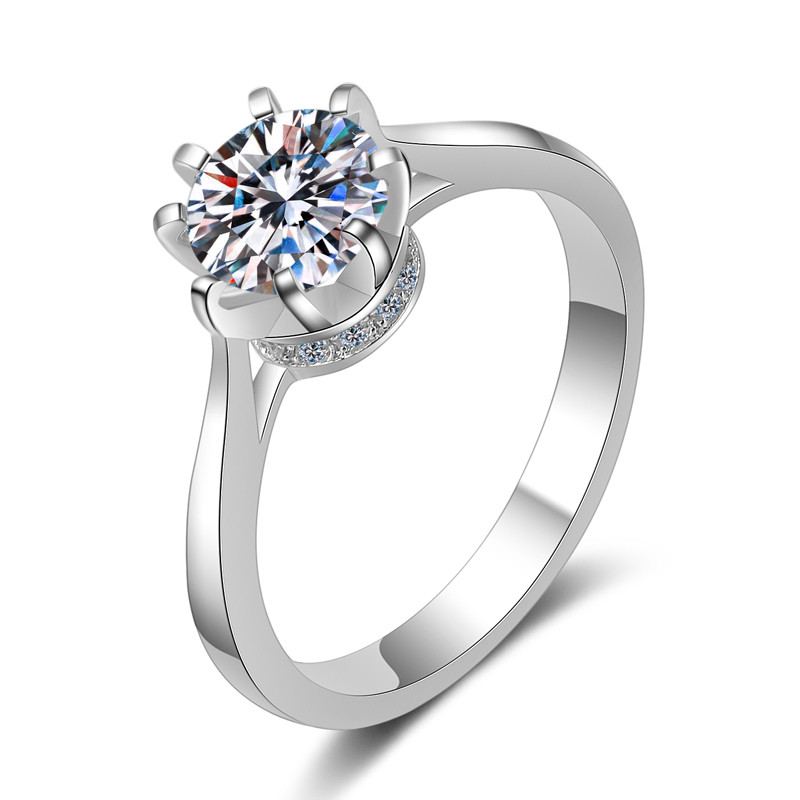
A classic 1ct solitaire design in 925 sterling silver with VVS1 moissanite quality for wholesale and collection development.
View product details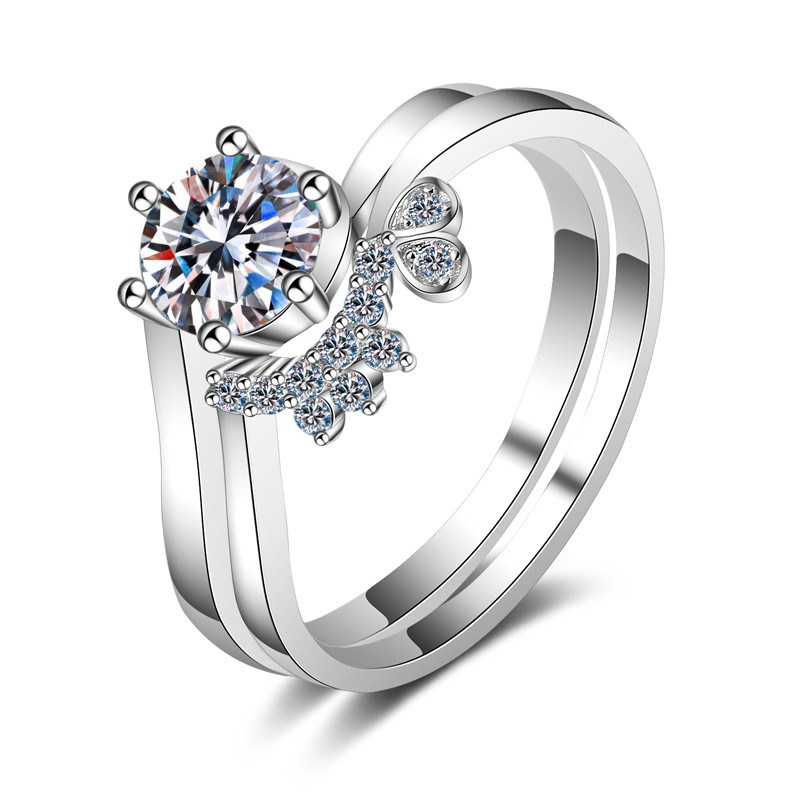
A polished 925 sterling silver solitaire ring with a 0.8ct moissanite center, low MOQ, and factory wholesale pricing options.
View product details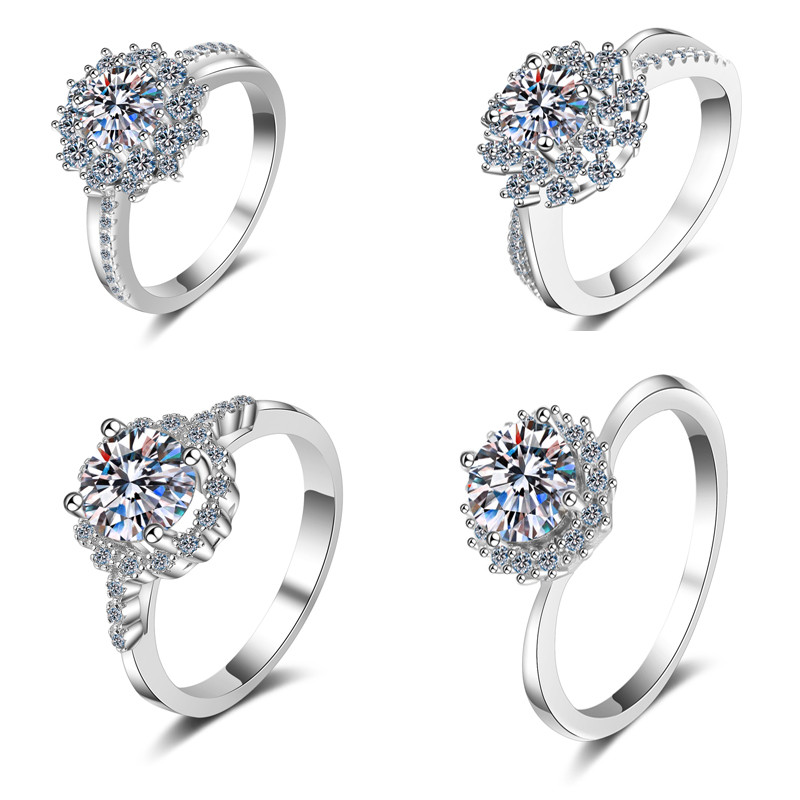
A bulk wholesale silver moissanite ring featuring 92.5% material purity and AAAA moissanite quality for B2B sourcing.
View product details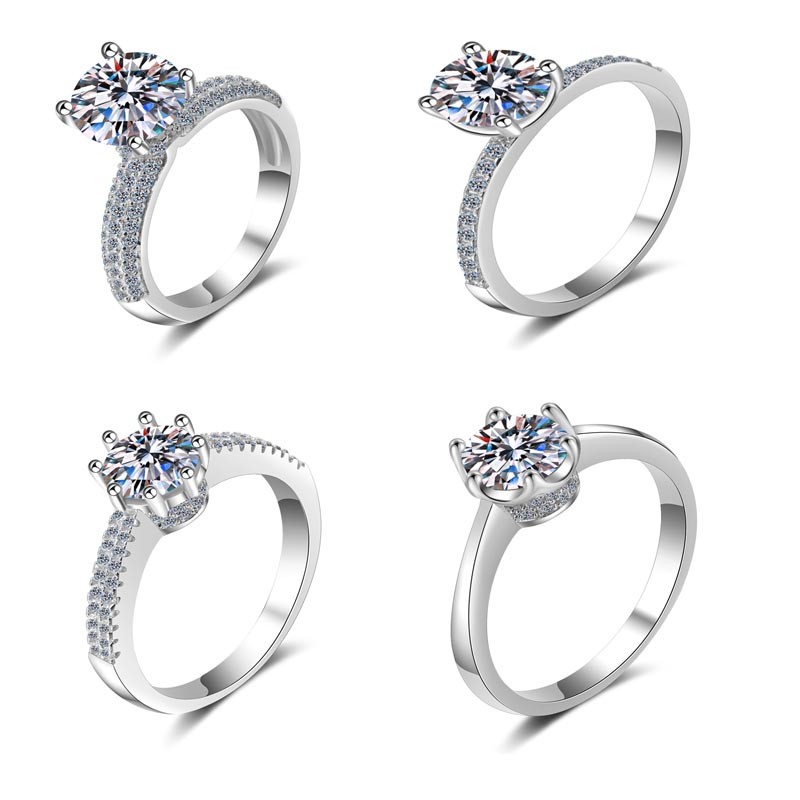
A 925 silver moissanite ring positioned for jewelry retailers and brands seeking factory wholesale, low MOQ, and custom development options.
View product details