925 Silver Earrings: A Strategic Sourcing Guide and Market Insights for Jewelry Retailers
In an increasingly globalized and digitized jewelry market, 925 sterling silver earrings have emerged as an indispensable core product category for numerous jewelry retailers, wholesalers, and buyers, thanks to their unique allure and commercial value. They not only satisfy consumer demand for style, quality, and value for money, but also offer buyers the advantages of flexible inventory management and substantial profit margins.
This article aims to provide professional jewelry buyers with a comprehensive, in-depth guide. Covering everything from market trends and technical product specifications to supply chain management and regulatory compliance, it offers a holistic analysis of sourcing strategies for 925 silver earrings, empowering you to stand out amidst fierce market competition.
Global Silver Jewelry Market Overview and the Commercial Value of 925 Silver Earrings
The global jewelry market continues to expand, with silver jewelry commanding a significant market share thanks to its affordability, diverse designs, and rapid product turnover. 925 Sterling Silver—defined as containing 92.5% pure silver—is the internationally recognized standard for sterling silver; it combines the natural luster of pure silver with the strength and durability of an alloy. For wholesalers, retailers, and brands, the commercial value of 925 silver earrings is evident in the following aspects:
• High Market Demand and Broad Customer Base:
From everyday wear to special occasions, 925 silver earrings cater to the needs of consumers across various age groups and income levels.
• Responsiveness to Fast Fashion Trends:
Silver jewelry features relatively short design and production cycles, enabling businesses to quickly capture and lead emerging trends while accelerating inventory turnover.
• Superior Return on Investment (ROI):
Reasonable procurement costs combined with flexible pricing strategies provide retailers with healthy profit margins.

A Deep Dive into the Core Procurement Concerns of Wholesalers, Retailers, and Brands (Q&A)
Successful procurement stems from a profound understanding of both the product and the supply chain. Presented below are the top five core concerns—along with in-depth answers—that wholesalers, retailers, and brands prioritize most when sourcing 925 silver earrings:
Q1: How can one ensure that purchased 925 silver products meet international purity standards and authenticity requirements?
Authenticity is the lifeline of the jewelry industry. Ensuring the purity of 925 silver is the primary objective in the procurement process. International standards stipulate that 925 sterling silver must consist of 92.5% pure silver and 7.5% other metals (typically copper) to enhance its hardness and durability. The following are key steps for verifying purity:
1. Clear Hallmarks:
All 925 silver jewelry that meets standard requirements should bear a stamped mark—such as "S925," "925," or "Sterling"—in an inconspicuous location. This serves as a crucial initial indicator for assessing its purity.
2. Authoritative Third-Party Certification:
Request that suppliers provide composition analysis reports issued by internationally recognized third-party laboratories (such as SGS, GIA, the National Jewelry & Jade Quality Supervision and Inspection Center, etc.). These reports provide a detailed breakdown of the metal composition ratios and constitute the most compelling evidence of a product's authenticity.
3. Supplier Credibility Assessment:
It is vital to select suppliers with a strong industry reputation, a long-standing operational history, and a transparent supply chain. Thoroughly evaluate their factory credentials, production processes, and quality control systems.
Q2: How can the issue of silver jewelry tarnishing (oxidizing and turning black) be effectively resolved, thereby reducing maintenance costs at the retail level?
The oxidation of silver is a natural phenomenon resulting from its reaction with sulfides present in the air. However, through advanced surface treatment technologies, the oxidation resistance and long-lasting luster of 925 silver earrings can be significantly enhanced. This, in turn, helps reduce display maintenance costs for retailers and minimizes post-purchase complaints from consumers.
1. Rhodium Plating:
This is currently the most common and effective method for preventing oxidation. Rhodium is a rare and precious metal; a rhodium plating layer imparts a brilliant, platinum-like luster to silver jewelry while forming a hard, abrasion-resistant, and corrosion-proof protective barrier that effectively prevents the silver from coming into contact with the air. A high-quality rhodium plating can ensure that silver jewelry retains its shine for months—or even years—under normal wearing and storage conditions.
2. 14K/18K Gold Plating (Gold Vermeil):
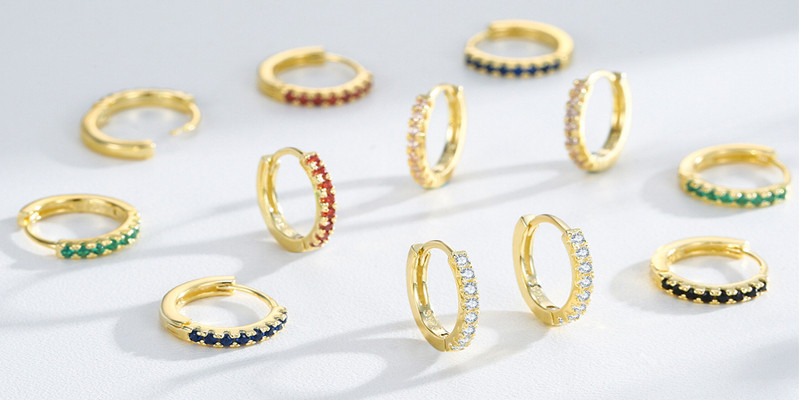
For silver jewelry designs intended to have a gold appearance, applying a substantial layer of genuine 14K or 18K gold plating not only provides a luxurious golden luster but also effectively seals off the air, thereby delaying oxidation. It is important to distinguish between "genuine gold plating" and "gold-tone alloy plating," as the former offers superior value and durability.
3. E-coating (Electrophoretic Coating):
This involves applying a transparent organic protective layer that is uniformly deposited onto the surface of the silver jewelry using electrophoretic technology. E-coating provides an additional layer of protection against oxidation and abrasion, making it particularly suitable for silver jewelry with intricate designs. It effectively extends the product's "shelf life" within display cases, reducing the frequency of cleaning or product returns/exchanges necessitated by oxidation.
4. Daily Maintenance Recommendations:
For retailers, providing consumers with proper care guidelines for silver jewelry is crucial. Recommendations—such as avoiding contact with chemicals, regularly polishing the items with a silver cleaning cloth, and storing them in airtight containers—can further extend the product's lifespan and enhance customer satisfaction.
Q3: Do the products comply with the environmental and health regulations of the target market?
As consumer health awareness rises and international trade regulations become increasingly stringent, product compliance has become an indispensable consideration for wholesalers, retailers, and brands during the procurement process. This is particularly critical for jewelry items that come into direct contact with the skin—such as earrings—where ensuring safety is paramount.
1. Nickel-free, Lead-free, and Cadmium-free:
These constitute the most fundamental international health requirements for jewelry and accessories. Nickel is a common allergen; prolonged wear of nickel-containing jewelry can trigger skin redness, swelling, itching, or even dermatitis. Lead and cadmium are heavy metals known to be harmful to human health. Reputable suppliers can guarantee that their products are 100% free of these harmful substances and can provide corresponding test reports to verify this claim.
2. EU REACH Regulation:
For jewelry products destined for the European Union market, compliance with the REACH (Registration, Evaluation, Authorisation and Restriction of Chemicals) regulation is mandatory. This regulation imposes strict limits on the use of various hazardous substances, including restrictions on nickel release rates as well as lead and cadmium content. Suppliers should provide a Declaration of Conformity or test reports demonstrating compliance with REACH standards.
3. US CPSC Standards:
The U.S. Consumer Product Safety Commission (CPSC) also enforces strict regulations regarding the lead and cadmium content found in both children's and adult jewelry. If your target market includes the United States, it is essential to verify that your products fully comply with the relevant CPSC standards.
4. Ethical Sourcing and Sustainability:
Beyond health and safety, an increasing number of consumers are paying close attention to whether product origins align with ethical standards (such as being "conflict-free") and sustainability principles. Although these are not currently mandatory regulations, selecting suppliers who demonstrate strong practices in these areas can significantly enhance your brand image and market competitiveness.
Q4: What are the supplier's capabilities regarding customization (OEM/ODM) and Minimum Order Quantities (MOQ)?
In a market characterized by increasingly fierce and homogenized competition, customized services are crucial for establishing brand differentiation and meeting specific market demands. Simultaneously, effective management of Minimum Order Quantities (MOQ) directly impacts a retailer's inventory risk and capital turnover.
This refers to the supplier manufacturing products based on your specific design blueprints or samples. This requires the supplier to possess strong capabilities in design interpretation, mold development, and production execution. During negotiations, it is essential to clearly define mold costs, sampling lead times, and the sample approval process.
This involves the supplier offering their existing designs, from which you select specific styles to be produced under your own brand label. This is an efficient option for retailers who lack an in-house design team. Suppliers should regularly update their design libraries to offer styles that align with current market trends.
3. Brand Logo Engraving:
Confirm whether the supplier supports laser engraving or embossing your brand logo on the earbuds, the backs of earrings, or on hang tags; this is a critical detail for enhancing brand recognition.
4. MOQ Strategies:
• Small-Batch Procurement: For startup brands or retailers looking to test market reception, finding suppliers that support low MOQs (e.g., 3–5 pairs per style) is vital. This effectively mitigates the risk of excess inventory accumulation and reduces initial capital investment.
• Large-Batch Procurement: For established wholesalers or retail chains, the focus should be on the supplier's economies of scale and production efficiency when handling large-volume orders. Typically, the larger the order quantity, the lower the unit price.
5. Lead Time (Delivery Cycle):
• Stock Orders: Ideally, in-stock products should be shipped within 3–7 business days.
• Custom Orders: Depending on the complexity of the design and the order volume, a reasonable lead time for custom orders typically ranges from 20 to 40 business days. It is imperative to clearly specify the delivery date and any compensation clauses for delays within the contract.
Q5: How do you select jewelry designs with high premium potential and market them effectively?
In an environment where materials have become largely commoditized, design prowess and marketing strategy are the core factors determining a product's premium-pricing capability and market competitiveness. As a buyer, you need to possess keen market insight.
1. Design Trend Forecasting:
Pay close attention to international fashion weeks, jewelry trade shows (such as the Hong Kong Jewelry & Gem Fair and JCK Las Vegas), and trend reports published by authoritative fashion media outlets. Collaborate with your suppliers to obtain their latest design collections and market analyses.
2. High-Conversion Design Directions:
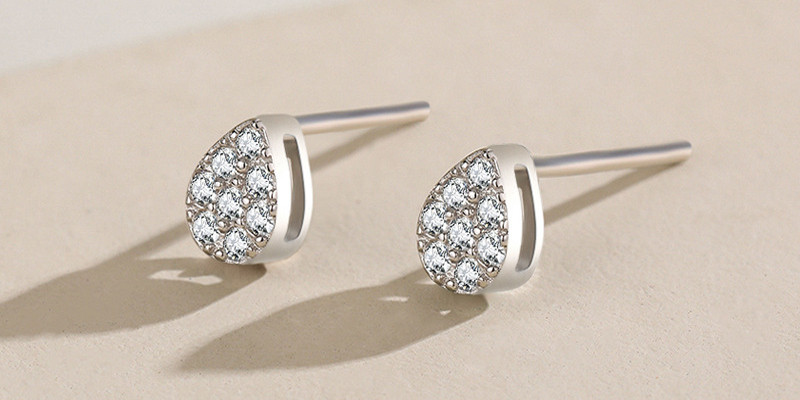
• Timeless Classics:Styles such as minimalist geometric shapes, pearl-set pieces, and classic teardrop designs appeal to a broad audience. As perennial best-sellers and wardrobe staples, they ensure consistent sales revenue.
• Micro-Pavé Designs:Utilizing high-quality AAA-grade cubic zirconia, moissanite, or natural diamond chips set using micro-pavé techniques can significantly enhance a product's visual luxury and sophistication, thereby endowing it with higher perceived value and greater potential for premium pricing.
• Themed Collections:Launch product series tied to specific seasons, holidays (such as Christmas, Valentine's Day, or Mother's Day), or cultural elements (such as zodiac signs, constellations, or ethnic motifs). By leveraging emotional resonance and storytelling, these collections attract consumers and stimulate impulse purchases.
• Personalized Customization:Offer personalization services—such as engraving or birthstone settings—to satisfy consumers' desire for uniqueness and exclusivity, thereby increasing the product's added value.
3. Marketing Support and Content Empowerment:
• High-Resolution Product Images and Videos:Request that your suppliers provide professional product photography and video assets; these serve as the foundational elements for your online promotional efforts (e.g., on e-commerce platforms and social media).
• Product Copywriting:Suppliers should be able to provide detailed product descriptions—including information on materials, craftsmanship, design philosophy, and care instructions—to help you quickly generate effective marketing copy.
• Market Analysis Reports:Some exceptional suppliers regularly share data on top-selling items and analyses of consumer preferences, providing valuable insights that help you optimize your product selection strategy.
Sourcing 925 silver earrings is far more than a simple commercial transaction; it is a process of forging strategic partnerships. An exceptional supplier not only delivers high-quality products but also provides market insights, technical support, and flexible supply chain solutions.
As a leading manufacturer of custom wholesale silver jewelry, AphroSilver deeply understands the unique needs and challenges faced by wholesalers, retailers, and brands. We are committed to providing 925 silver jewelry that meets rigorous international standards, leveraging advanced manufacturing processes and a strict quality control system. Furthermore, we offer flexible OEM/ODM services designed to empower retailers worldwide to enhance their brand value and market competitiveness. We look forward to joining forces with you to achieve mutual success.
Contact AphroSilver today to receive a customized wholesale proposal and our latest product catalog.
Welcome to browse our collection of silver earrings
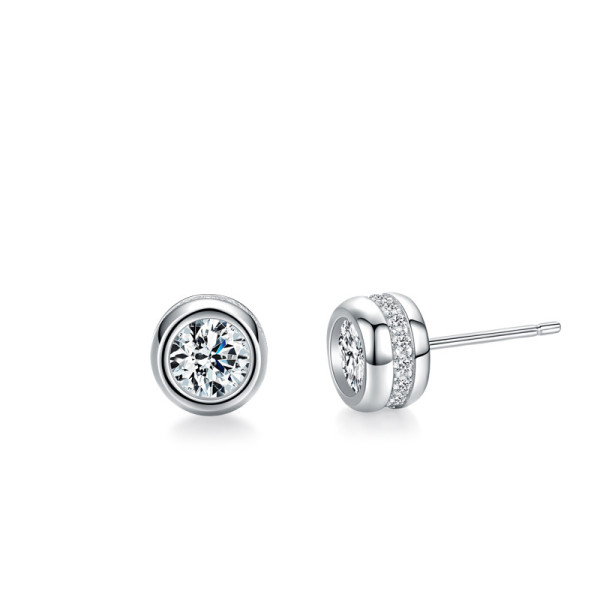
The 925 sterling silver zircon earrings combines high cost performance with strong aesthetics. The silver material is of high purity and can be customized in design.
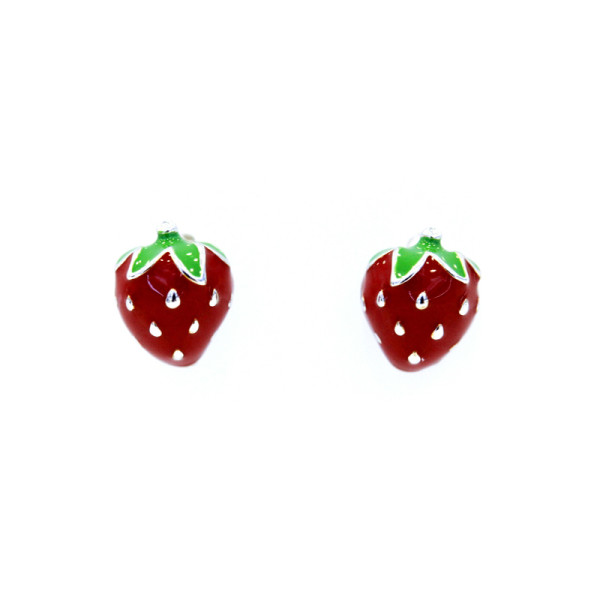
These delicate studs feature adorable strawberry designs, crafted from high-quality sterling silver for a timeless and hypoallergenic finish.
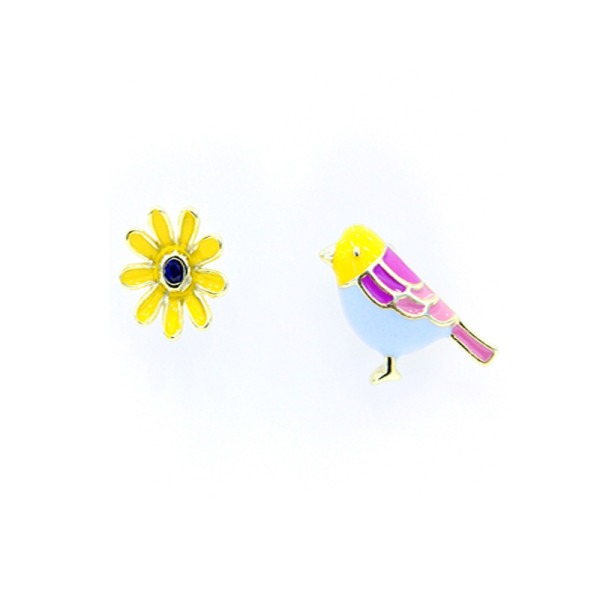
Delicate and whimsical, these stud earrings combine 925 sterling silver with vibrant enamel to create a charming nature-inspired design.
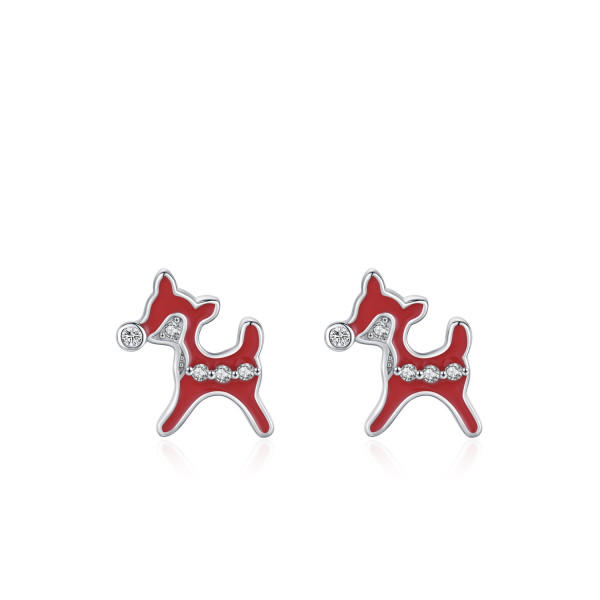
This is a pair of 925 sterling silver earrings designed with a Christmas reindeer theme. The overall shape is unique and full of festive atmosphere.
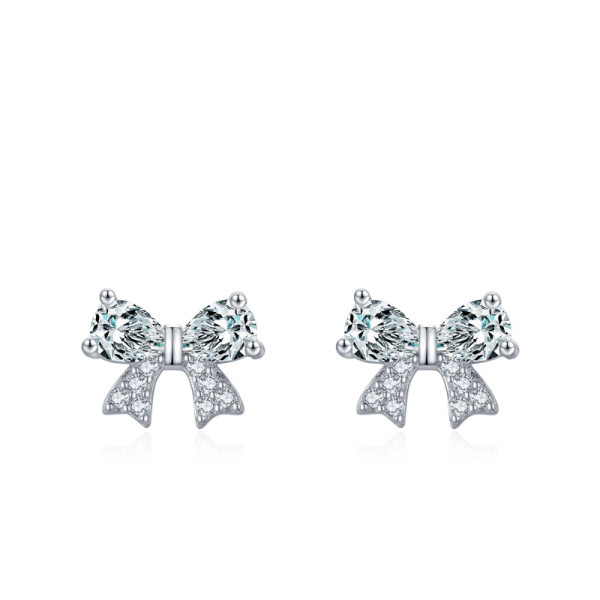
Wholesale 925 sterling silver bow earrings with a simple, polished design. Hypoallergenic, nickel-free, available in bulk, ideal for boutiques, gift shops, and online stores.
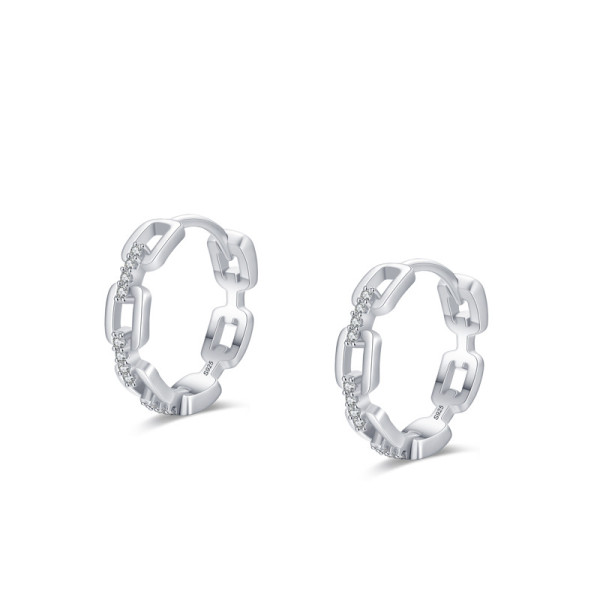
Wholesale 925 sterling silver minimalist hoop earrings with durable plating and classic design—ideal for brands, boutiques, and bulk fashion jewelry buyers.
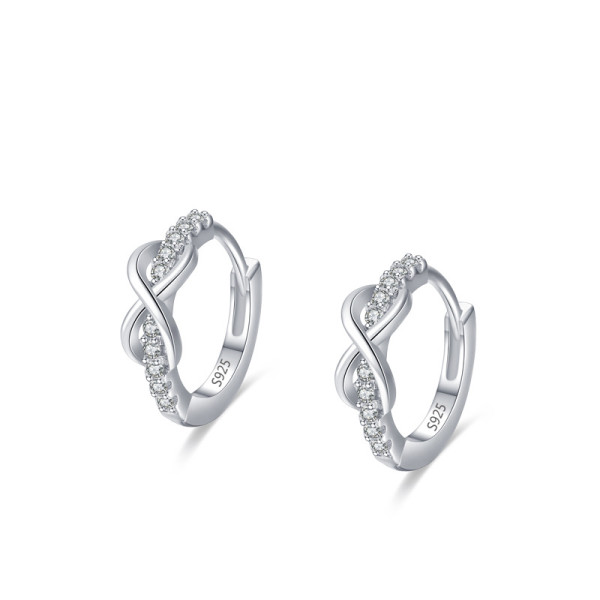
Wholesale 925 sterling silver minimalist hoop earrings with durable plating and classic design—ideal for brands, boutiques, and bulk fashion jewelry buyers.
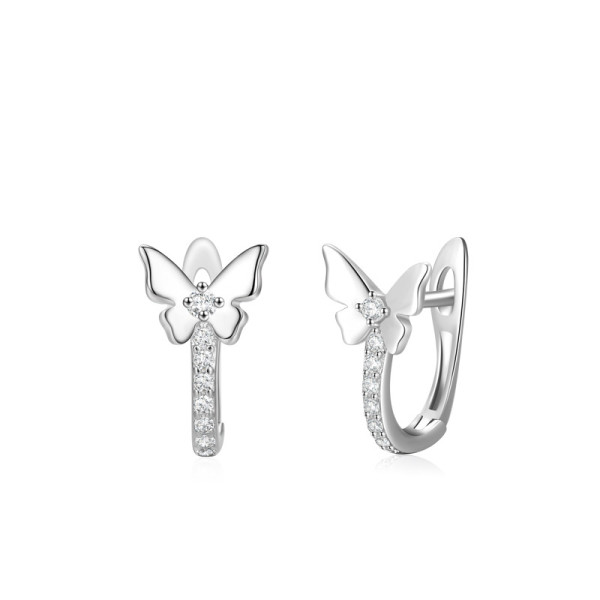
Wholesale 925 silver butterfly hoop earrings designed for brands and retailers. Lightweight, durable, and perfect for trendy women's jewelry collections.