Future Global Silver Jewelry Industry Trends: 2027 Design and Procurement Directions
In 2027, successful silver jewelry collections will balance distinctive, wearable design with tighter material control, transparent sourcing, and shorter buying cycles. The practical priorities are lightweight construction, versatile silhouettes, durable plating, documented silver content, flexible MOQ, and suppliers that can turn trend signals into repeatable wholesale production—not simply copy a runway look.
For retailers, importers, and emerging brands, the question is not whether silver jewelry will have another trend cycle. It is how to choose designs that remain commercially relevant after the first launch, control risk when silver prices move, and communicate quality clearly to customers. This guide translates the future global silver jewelry industry trends into decisions your buying team can use for a 2027 collection.
Three buying signals for the next collection
Use trend forecasting to decide what to sample, but use production evidence to decide what to reorder.
2027 silver jewelry trends: what the evidence says
The market is expanding in complexity, not in one simple direction. The Silver Institute and Metals Focus reported global silver jewelry fabrication at 208.7 million troy ounces in 2024, up 3% year over year. Their 2026 outlook then forecast a fall from 189.3 Moz in 2025 to 159.4 Moz in 2026, a 16% decline, as the average silver price rose sharply and producers responded with lighter-weight pieces and weaker rural demand in India. That is a useful warning for 2027: demand signals can remain active while the amount of silver used per item changes.
The implication for wholesale is straightforward. Do not treat a lower fabrication forecast as proof that silver jewelry is irrelevant. Treat it as a reason to protect margin through weight engineering, modular design, disciplined plating specifications, and smaller test orders before committing to a large production run.
Colors, plating, materials, and silhouettes to test
Color direction: silver as a flexible base
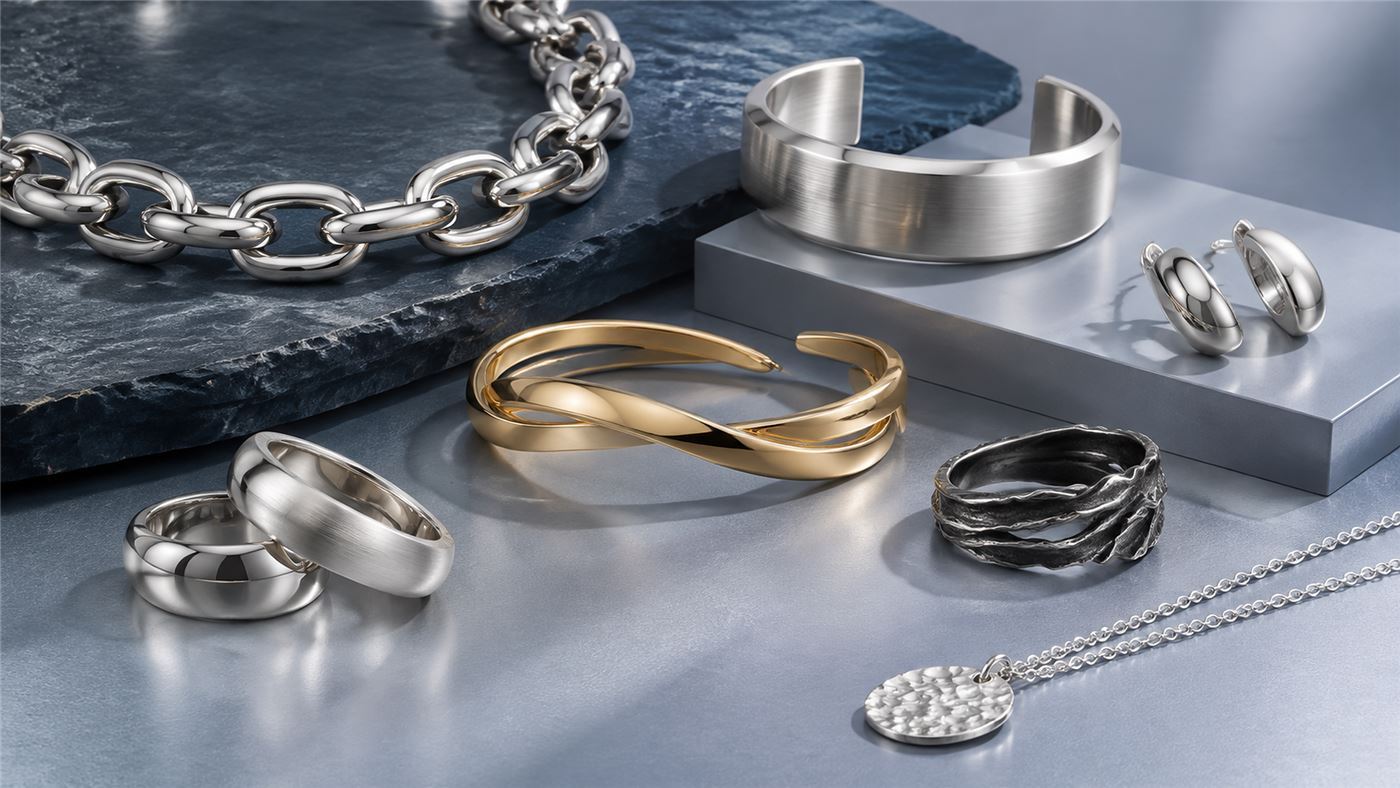
Bright white silver remains important for minimal and everyday collections, but a broader 2027 assortment can use contrast rather than more decoration: white rhodium-look finishes beside warm gold-tone plating, blackened details for depth, and selective polished surfaces against satin or brushed textures. The commercial test is not “which color is fashionable?” It is whether a colorway is consistent across a repeat order, photographs accurately, and can be replenished without an unexpected finish variation.
Plating and surface performance
For a wholesale brief, specify the base metal, silver fineness, plating metal, target thickness or performance standard, anti-tarnish treatment, color reference, and testing requirement. “Gold plated” is not a complete specification. A buyer should also request finish samples under daylight, indoor retail lighting, and close-up photography. A clear care card and accurate product copy reduce post-purchase friction.
Material and form: lighter, modular, easier to explain
USGS estimated 2025 global silver mine production at 26,000 metric tons and classified silver as a critical mineral in the United States’ 2025 list. These facts do not prove that any individual supplier uses recycled silver or has a lower footprint. They do support a more careful procurement approach: ask for material declarations, keep claims specific, and design products so material use and replenishment can be measured.
A 2025 Scientific Reports study found, within its modeled sample, that simpler configurations had lower predicted impacts than intricate ones: simplified designs averaged 0.8 kg CO₂ and 11.5 L of water, versus 3.1 kg CO₂ and 33 L for intricate designs. The authors also note that the dataset and model have limitations, so these figures should guide design screening—not be copied as a universal life-cycle claim for every silver product.
| 2027 signal | Design decision | Procurement checkpoint | Customer-facing proof |
|---|---|---|---|
| Lightweight value | Hollow, open, or slimmer geometry where durability allows | Confirm finished weight tolerance and breakage testing | Accurate dimensions and material disclosure |
| Surface contrast | Pair polished, satin, oxidized, or two-tone areas | Approve master sample and color/finish limit | Close-up photography and care instructions |
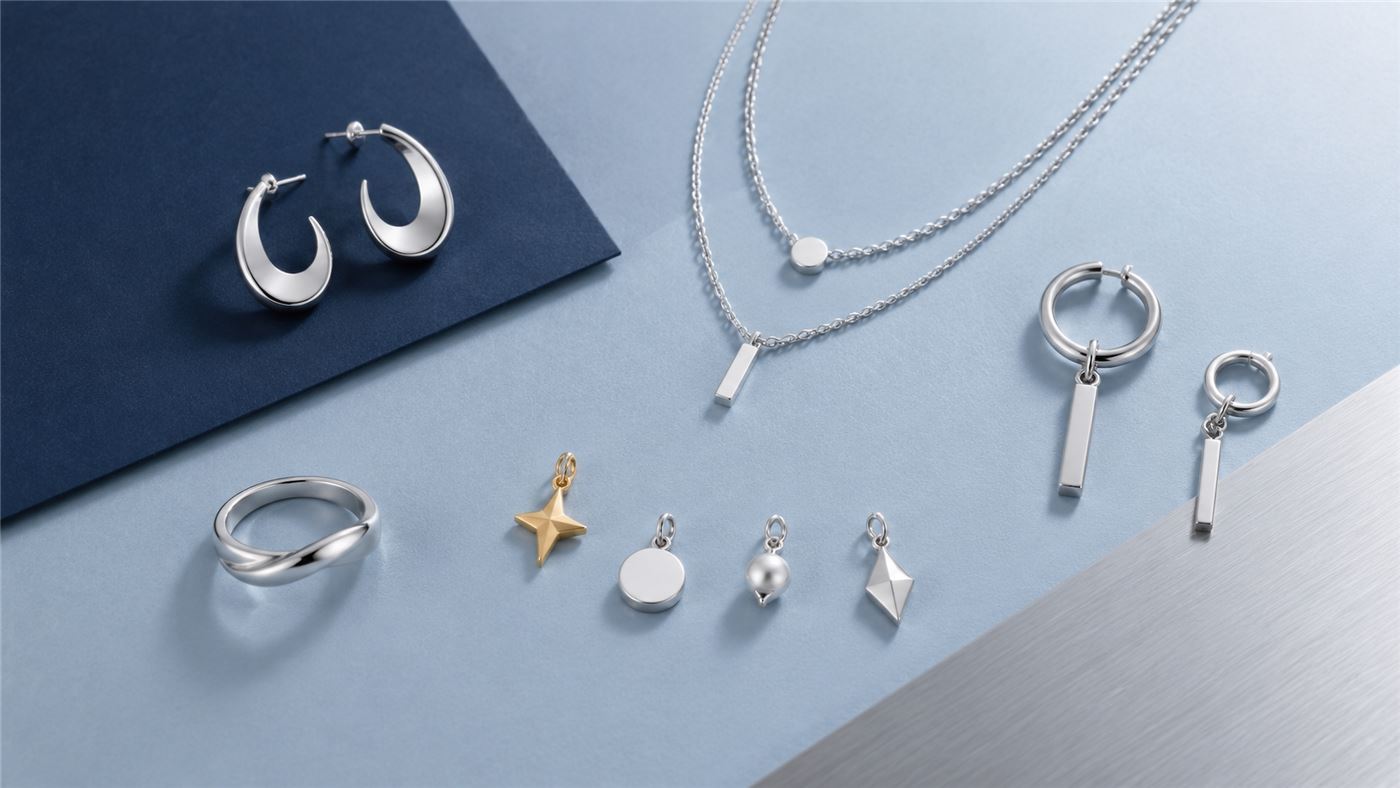
| Modularity | Interchangeable charms, chains, or repeatable components | Check component compatibility and replacement availability | Styling guide and bundle options |
| Responsible claims | Use only verified material and process language | Request declarations, certificates, and audit scope | Specific claim with date and scope |
For related production considerations, see AphroSilver’s jewelry production process. Buyers comparing materials should keep the product promise and the manufacturing route aligned; a beautiful concept that cannot hold its finish or survive packing is not a strong trend product.
How trends translate into wholesale orders
Trend reports become useful only when they change a buying decision. Build the collection in three layers: a core group of proven silhouettes, a seasonal group that expresses the 2027 direction, and a small experimental group for learning. This structure avoids putting the entire open-to-buy budget behind a single color or motif.
Recommended sampling sequence
- Define the commercial role. Mark each SKU as entry price, margin builder, image maker, or replenishment item.
- Lock measurable specifications. State silver fineness, dimensions, finished weight range, stones, plating, clasp or post requirements, packaging, and target price.
- Test the production risk. Approve a sample, then check fit, solder points, stone security, plating consistency, tarnish behavior, and packaging protection.
- Place a controlled first order. Use a manageable MOQ for new designs and reserve volume for winners after sell-through data arrives.
MOQ, lead time, and supplier comparison
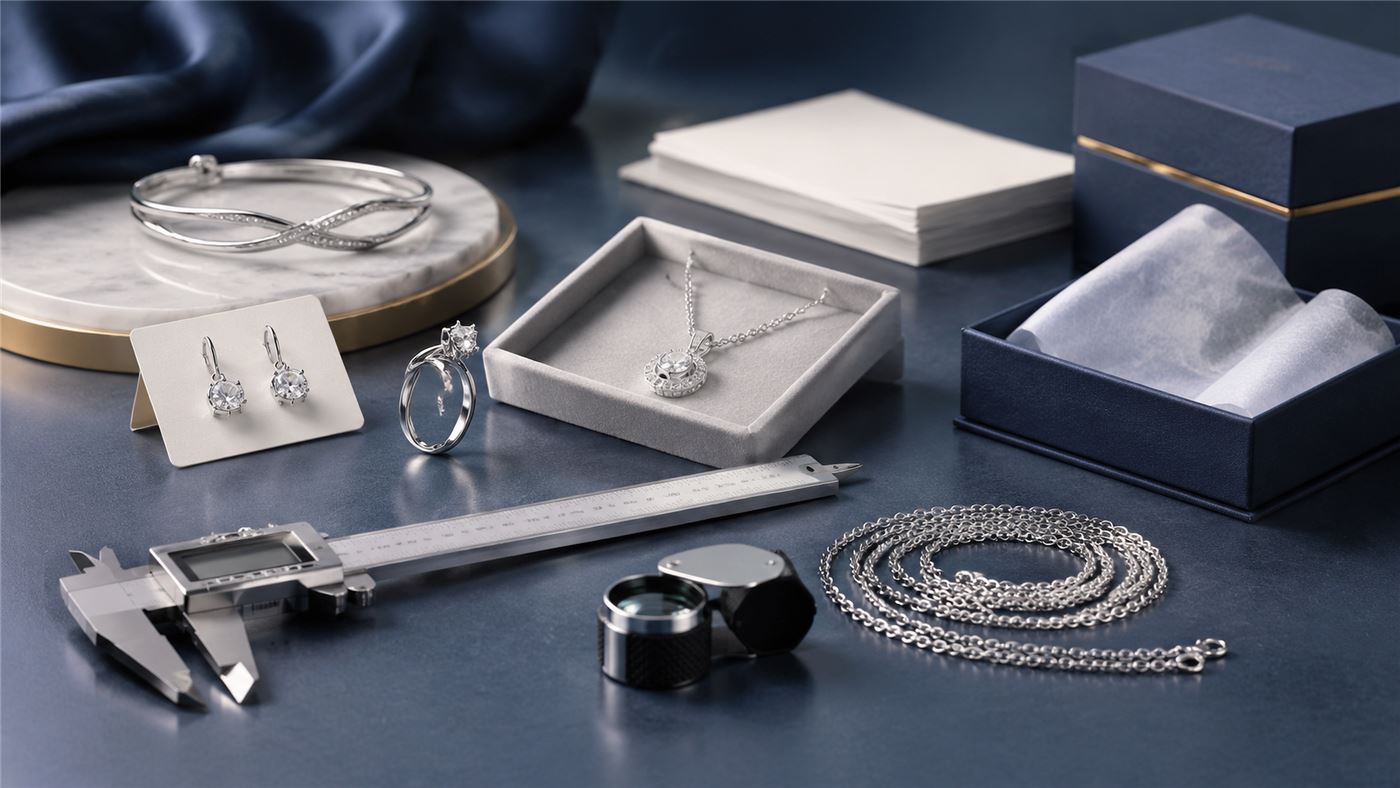
The best future global jewelry trends wholesale strategy is not to chase the fastest factory. It is to compare suppliers using the same brief and separate sample lead time from bulk lead time. Include approval rounds, material procurement, production, plating, inspection, packaging, and shipping handoff in the calendar.
| Criterion | Ask for | Why it matters | Suggested evidence |
|---|---|---|---|
| MOQ flexibility | MOQ by SKU, finish, size, and color | Controls test-order exposure | Written quotation with assumptions |
| Lead time | Sample, approval, bulk, and replenishment timing | Protects launch windows | Production schedule and milestone dates |
| Quality system | Inspection points and defect tolerance | Reduces inconsistent repeat orders | QC checklist, inspection photos, reports |
| Customization | CAD, mold, logo, packaging, and finish capability | Turns trend direction into owned product | Prototype and revision process |
| Communication | Single accountable project contact | Shortens clarification loops | Meeting notes and approved tech pack |
For retailers that need a managed buying route, review AphroSilver’s jewelry retailer one-stop solution. If your team needs a broader assortment rather than a one-off custom piece, compare the jewelry wholesaler one-stop solution with the same MOQ, finish, and delivery questions.
What a future-ready silver jewelry supplier should provide
A capable future global silver jewelry industry trends supplier should do more than show a catalog. It should help convert a visual reference into a technical brief, identify where a design may fail, offer a sample path, and explain which changes affect cost or lead time. For a future global silver jewelry industry trends manufacturer, evidence of repeatability matters as much as creative range.
AphroSilver can be positioned as a practical partner for this workflow: collection planning, custom development, material and finish discussion, production coordination, and wholesale fulfillment. Keep the claim specific. Buyers should still request a current quotation, approved sample, delivery schedule, and the documentation relevant to the order.
Next steps: plan your 2027 collection with less guesswork
Start with 10–20 candidate designs and classify them by customer, price point, finish, and replenishment potential. Shortlist the three designs that best express the trend without requiring the highest complexity. Then ask suppliers for a comparable sample brief, not a generic catalog recommendation. This is where custom future global silver jewelry industry trends become a commercially usable collection: the trend is translated into dimensions, finish, MOQ, timing, and proof.
For a more complete product route, explore AphroSilver’s wholesale silver jewelry range before sending your brief. A focused conversation can reveal which items are available for adaptation, which require new development, and which specifications should be fixed before sampling.
Ready to turn a 2027 trend direction into a sellable collection?
Send AphroSilver your target market, reference styles, preferred silver and plating specifications, estimated quantity, target delivery date, and packaging needs. Our team can help you assess sampling options, customization scope, MOQ, and the next production step.
Talk to AphroSilver Explore sourcing solutionsFAQ: future global silver jewelry industry trends
What silver jewelry styles are likely to perform well in 2027?
Wearable, versatile styles with clear material and finish specifications are the safest starting point: refined chains, modular charms, sculptural but comfortable forms, mixed surface textures, and lightweight pieces that can be layered. No trend guarantees sales, so validate with sampling and customer data.
Will higher silver prices change wholesale jewelry design?
They can. The Silver Institute reported a 42% rise in average silver prices in 2025 and forecast lower 2026 jewelry fabrication. Buyers may respond with lighter construction, more disciplined SKU selection, and smaller first orders, while keeping durability and customer disclosure intact.
How should a retailer compare silver jewelry suppliers?
Compare like-for-like specifications: fineness, finished weight, plating, MOQ definition, sample and bulk lead time, inspection process, customization capability, packaging, and after-sales handling. A written quotation and approved sample are more useful than a broad catalog claim.
What should a custom silver jewelry brief include?
Include reference images, intended customer, dimensions, silver fineness, weight target, stone details, plating and color, logo or hallmark needs, packaging, quantity, target price, delivery date, and acceptance criteria. The clearer the brief, the fewer costly revision cycles.
Does a simple design automatically mean a sustainable jewelry product?
No. A 2025 academic model found lower predicted impacts for simpler configurations in its sample, but sustainability also depends on material source, manufacturing, durability, repair, packaging, logistics, and end-of-life recovery. Make only claims you can substantiate for the specific product.
Product recommendations for a 2027 wholesale assortment
Explore eight silver jewelry styles selected from the English site for trend testing, assortment building, and supplier conversations. Wholesale pricing is available on request.
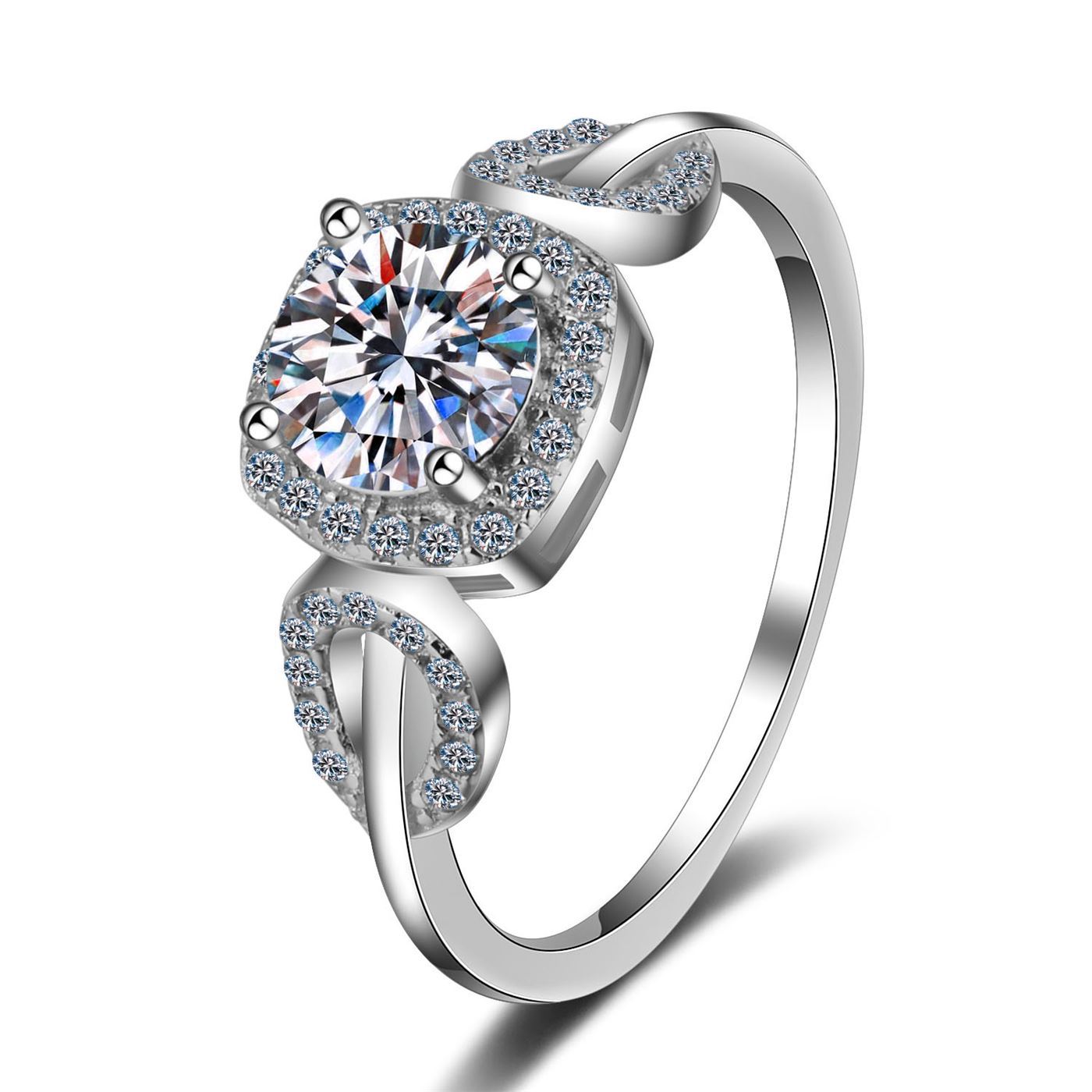
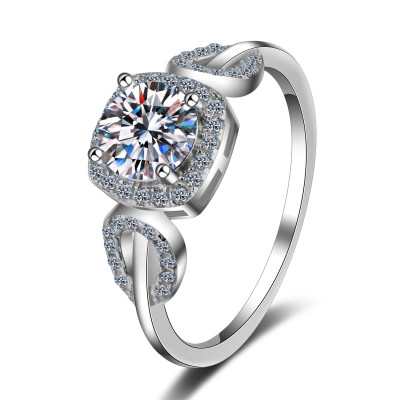
S925 silver with a GRA-certified 1ct moissanite center stone for premium bridal and engagement assortments.
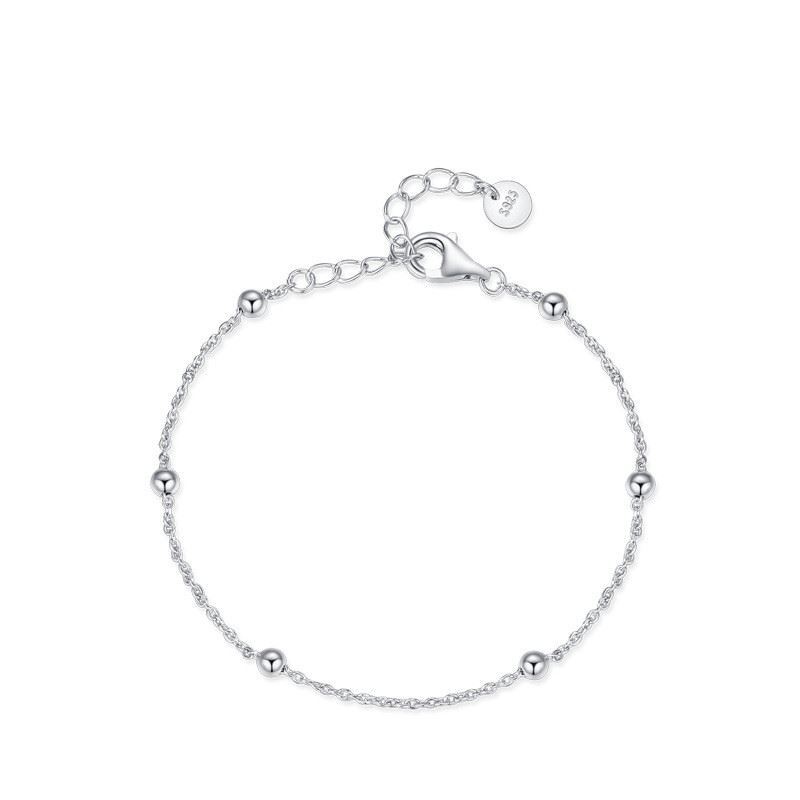
Classic 925 sterling silver bracelet developed for private label, OEM, and ODM jewelry programs.
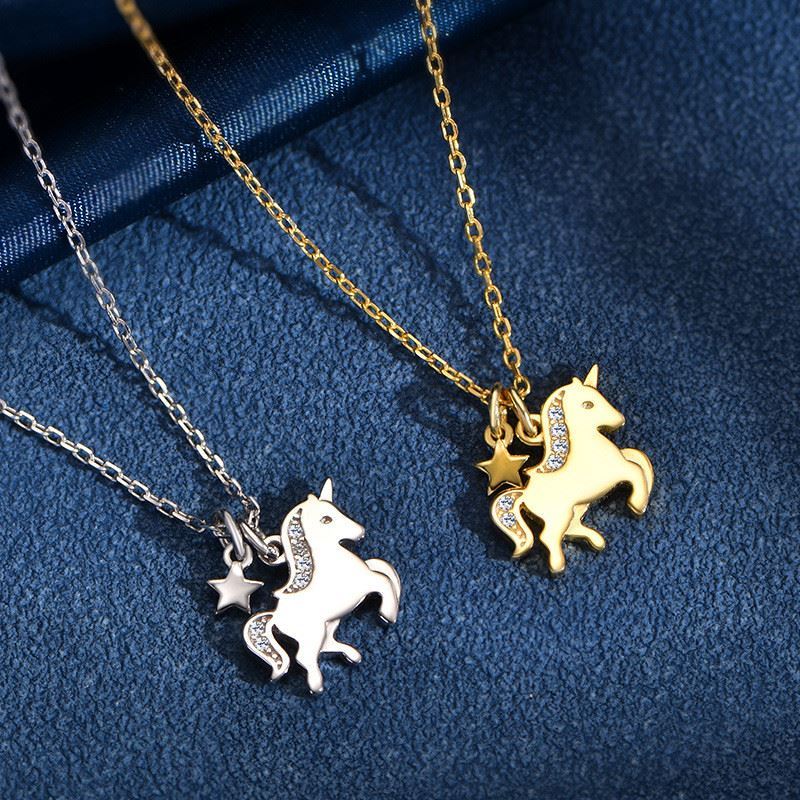
A distinctive 925 sterling silver pendant necklace suited to boutique and everyday lifestyle collections.
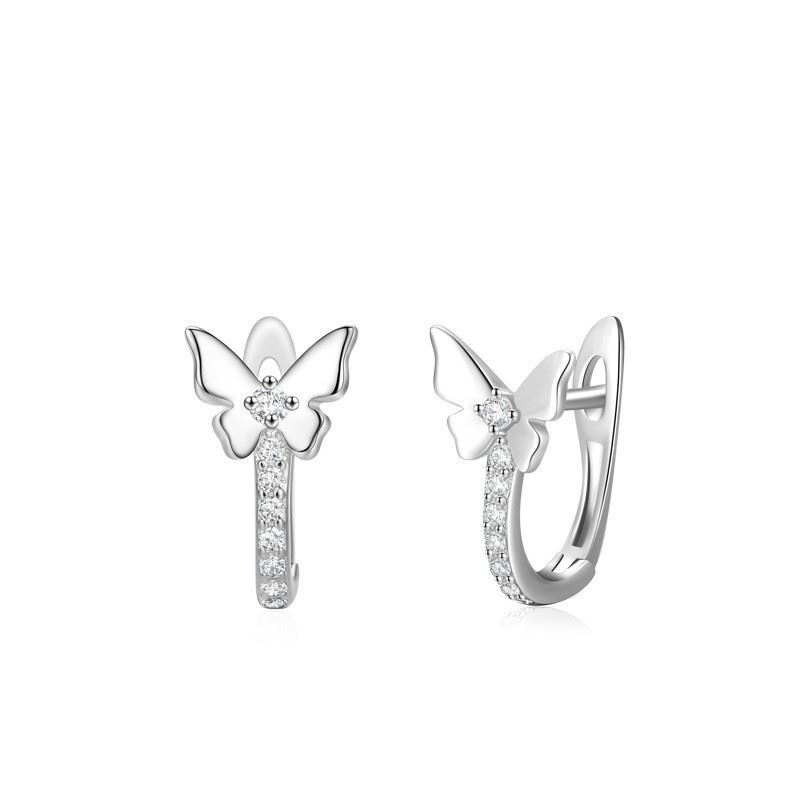
Dainty 925 sterling silver hoops with butterfly charms for feminine, giftable product lines.
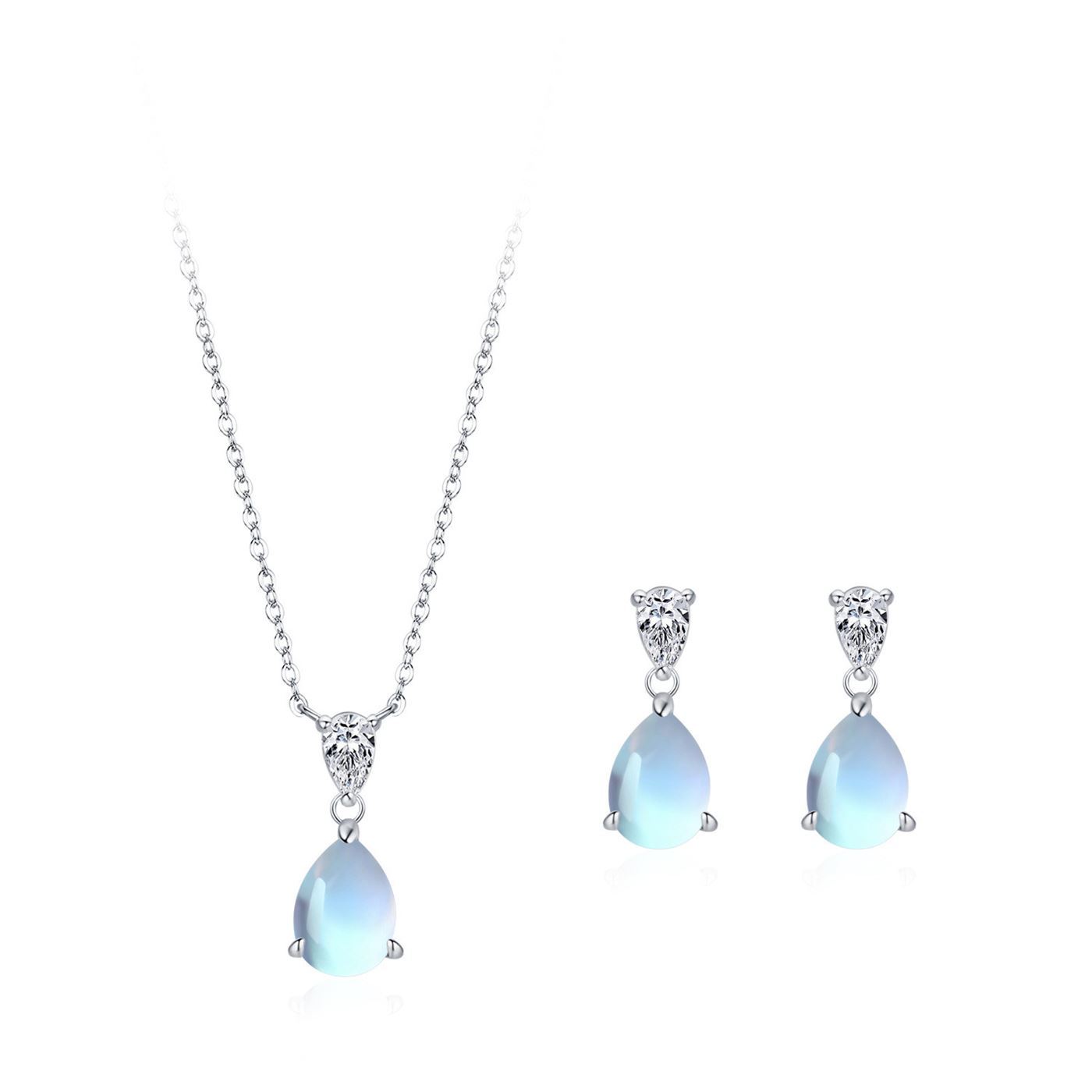
A coordinated 925 silver set that helps retailers build gift-ready and occasion-focused assortments.
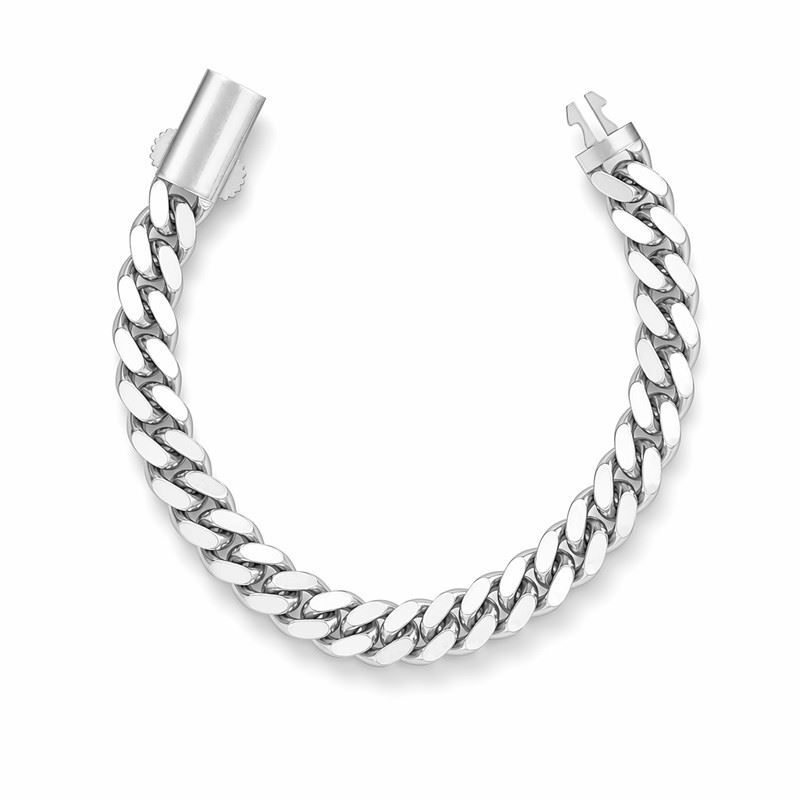
Bold Cuban link styling for men’s collections, with custom and bulk-order support for brands.
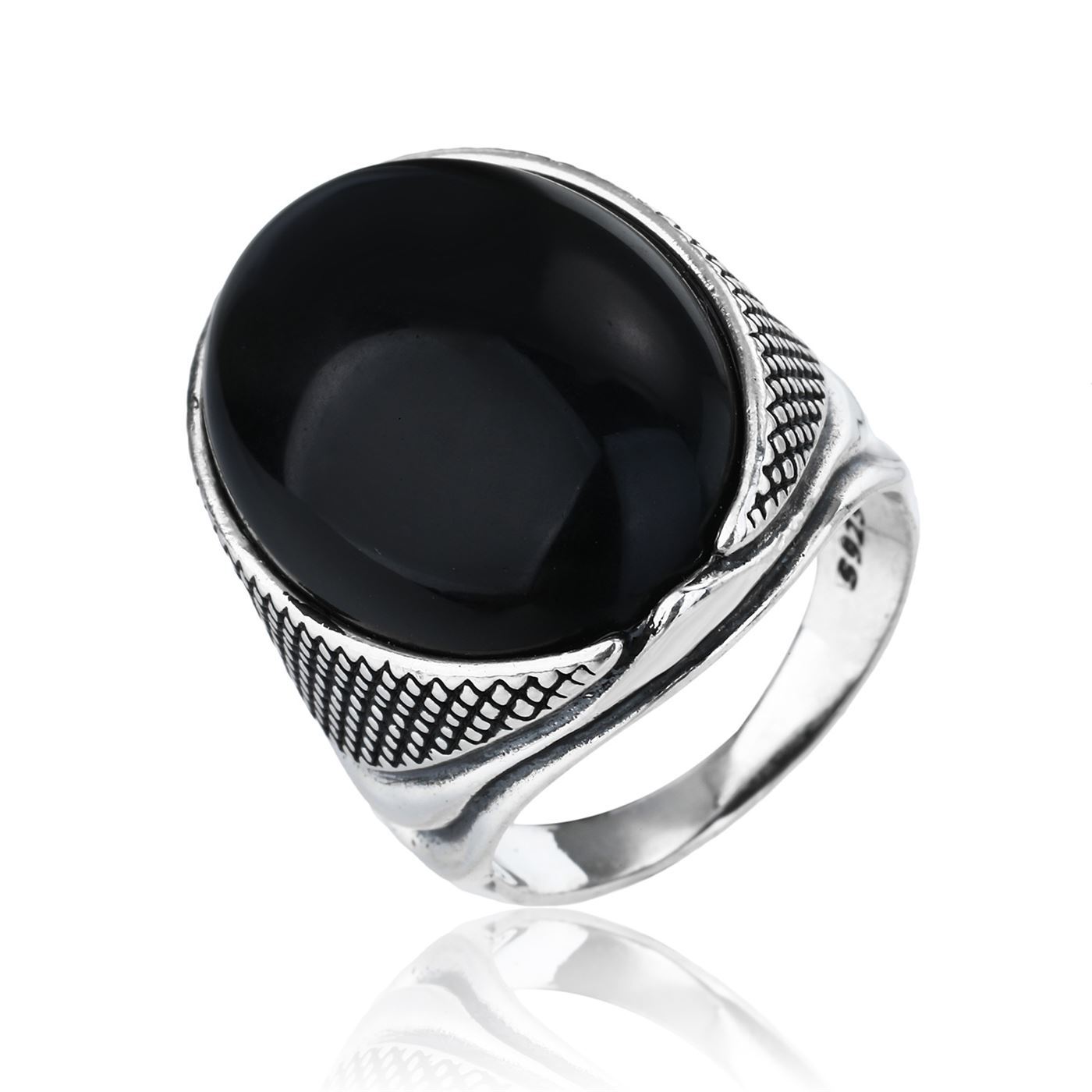
A vintage-inspired 925 sterling silver men’s ring with a bold obsidian focal stone for gift ranges.
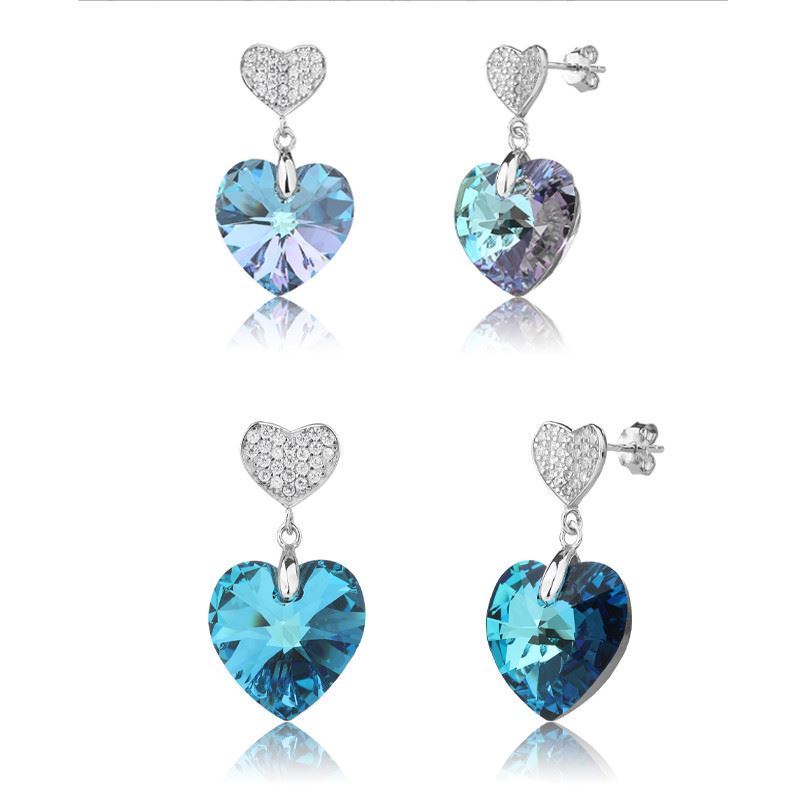
925 silver heart drop earrings with crystal zircon detail for romantic and occasion-led collections.
- Silver Institute, World Silver Survey 2026 — 2025/2026 jewelry fabrication forecasts, silver price context, and regional data.
- Silver Institute, Silver Supply & Demand — 2024 mine production, recycling, total demand, and jewelry fabrication data.
- U.S. Geological Survey, Mineral Commodity Summaries 2026: Silver — 2025 production, uses, recycling, price, and critical-mineral information.
- Jiang et al., Scientific Reports (2025), “Optimizing eco-friendly jewelry design…” — modeled design/material sustainability comparisons and study limitations.
- Perret, Journal of Risk and Financial Management (2025), “Navigating the High Jewelry Industry’s Future” — expert-based discussion of sustainability, traceability, personalization, and younger consumer expectations.
Data note: “Moz” means million troy ounces. Forecasts are forecasts, not guarantees; reported figures, definitions, and time periods are retained as stated by each source.